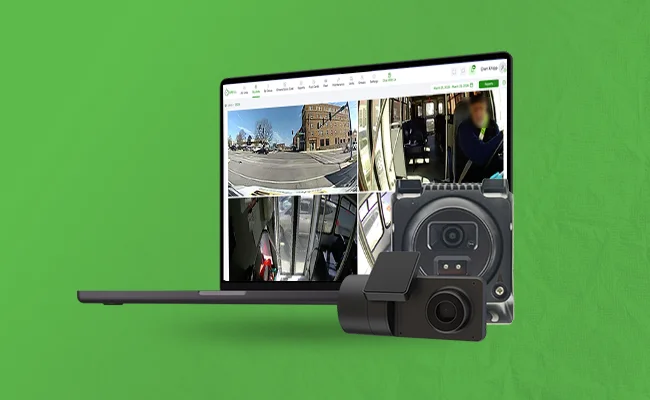
Small fleets do not need a complicated camera program to gain meaningful visibility on the road. The right dash cams can provide clear video after an incident, identify risky driving, support driver coaching, defend against false claims, and connect video with GPS and telematics data.
This guide compares several of the best fleet camera systems for small fleets based on camera coverage, AI safety tools, integrations, installation, video access, and overall fit for smaller operations.
Best Fleet Camera Systems for Small Fleets: Quick Comparison
| Provider | Best for | Key strengths |
| GPSTab | Small fleets wanting an integrated safety platform | AI road/driver camera, instant alerts, GPS/ELD integration, cloud video |
| Motive | Fleets wanting advanced AI and integrated telematics | AI detection, HD video, coaching, unified fleet platform |
| Samsara | Fleets wanting broad fleet-management capabilities | AI cameras, multicamera options, GPS, cloud workflows |
| Netradyne | Fleets focused heavily on AI driver coaching | 360-degree options, driver coaching, risk detection |
| Lytx | Fleets building a mature safety program | Driver-focused video safety and coaching tools |
| Verizon Connect | Small and midsize fleets wanting video with GPS tracking | AI dashcams, driver alerts, GPS/telematics integration, multiple camera options |
| Azuga | Fleets combining safety monitoring with telematics | AI dashcams, GPS tracking, driver alerts, live video |
| Geotab | Fleets connecting video with telematics | AI detection, driver coaching, GPS integration, multiple camera options |
| SureCam | Fleets wanting flexible camera coverage | AI cameras, live video, GPS tracking, multicamera configurations |
| SmartDrive by Solera | Fleets focused on video-based safety programs | Video safety, event analysis, driver coaching, telematics |
When comparing the best fleet camera systems, the right choice depends on fleet size, vehicle type, operating environment, and how much of your fleet management software you want connected to your camera system.
10 Best Fleet Camera Systems for Small Fleets in 2026
1. GPSTab

GPSTab is a strong fit for smaller carriers that want video, GPS tracking, ELD compliance, and fleet safety tools in one platform. Its AI-powered dual-camera system records both the road and cab and can detect events such as harsh braking, speeding, distracted driving, phone use, smoking, eating, seat-belt violations, and inattentiveness.
The system can send instant alerts and automatically record events for later review. Fleet managers can also access live video and playback, making it easier to investigate incidents while they are still fresh. GPSTab supports 7–10 days of full recordings and up to 60 days of cloud storage.
Another advantage for smaller fleets is installation. The camera is designed for plug-and-play deployment without requiring a professional installer. Auxiliary cameras can also be added when a vehicle needs additional coverage around blind spots or cargo areas.
Because GPSTab combines cameras with ELD and telematics tools, a small fleet can manage compliance, vehicle location, driver activity, and video from a single platform. That can reduce the need to piece together multiple systems as the fleet grows, helping to simplify driver safety.
2. Motive

Motive is another major option for fleets looking for an integrated camera and telematics platform. Its AI Dashcam detects unsafe driving behaviors and can provide real-time alerts and video events for fleet managers to review.
Motive’s current AI Dashcam Plus combines an AI dashcam and vehicle gateway in one device. The company says the newer hardware supports more than 30 AI models, 1440p video, dual-band GPS, and collision-evidence capture. Some features are being introduced throughout 2026, so buyers should confirm availability for their hardware and region.
Motive also offers an AI Omnicam for side, rear, passenger, and cargo monitoring. This makes the platform useful for fleets that expect to expand from a basic forward-facing camera into broader vehicle visibility.
3. Samsara

Samsara offers a broad fleet-management platform with AI dash cams, GPS telematics, compliance, maintenance, and multicamera options. Its camera lineup includes road-facing and dual-facing AI dash cams, as well as AI Multicam systems.
For fleets that need more than a windshield camera, Samsara supports multiple auxiliary cameras for side, rear, interior, or other views. Its AI Multicam system can support up to four auxiliary cameras per device, or up to eight with a dual configuration.
Samsara also provides cloud-based video retrieval and in-cab AI alerts. Its current product information lists up to 2K front-facing video and 1080p driver-facing video on applicable cameras.
Among the best fleet camera systems, the main consideration for a small fleet is whether you need the breadth of a large fleet-management ecosystem. For a company planning to add vehicles and operational workflows, that breadth may be useful. For a very small operation seeking only basic video, it may be more platform than necessary.
4. Netradyne

Netradyne’s Driver•i platform is built around AI analysis of driving behavior. The company says its system analyzes 100% of driving time and supports road-facing, driver-facing, and 360-degree camera configurations.
Driver•i includes real-time in-cab coaching, risk detection, live streaming, virtual driver coaching, on-demand video, night vision, and driver recognition features. Its dual camera covers the road and driver, while its quad-view hardware adds side views.
Netradyne can be especially relevant to fleets that want their camera program to focus heavily on driver coaching and continuous safety analysis. The tradeoff is that a smaller fleet should evaluate whether those advanced safety workflows match its management capacity and budget.
5. Lytx

Lytx is a long-established name in video-based fleet safety. Its DriveCam platform combines video, event detection, and driver safety programs designed around identifying risky behaviors and supporting coaching.
Lytx can be a good consideration for organizations that want a structured safety program rather than video recording alone. As with other providers, small fleets should compare the available camera hardware, services, contract terms, and total cost before choosing a system.
6. Verizon Connect
Verizon Connect offers AI-powered dashcams as part of its broader fleet management platform. Its cameras can detect behaviors such as tailgating, phone distraction, drowsiness, and smoking, while providing in-cab alerts to help drivers respond to risky behaviors. The platform supports road-facing and dual-facing cameras, along with additional camera options for expanded visibility.
Camera data connects with Verizon Connect’s GPS and telematics tools, allowing managers to review video alongside vehicle location and driving information. Cameras can be self-installed or professionally installed. For small and midsize fleets already using GPS tracking, Verizon Connect provides a way to add video without managing a separate platform.
7. Azuga
Azuga combines AI dashcams with GPS tracking and fleet management tools. Its SafetyCam systems use AI to detect behaviors such as distracted driving, tailgating, lane departures, and rolling stops. The cameras can monitor both the road and driver while automatically capturing video when qualifying events occur.
Azuga also supports live video, driver alerts, and additional exterior cameras for expanded vehicle coverage. Because video is integrated with GPS and driver-performance data, managers can review camera footage alongside vehicle and driving information. This makes Azuga an option for smaller fleets looking to combine safety monitoring and telematics.
8. Geotab
Geotab offers AI-powered cameras through its GO Focus Plus system, combining video, telematics, driver monitoring, and coaching. The system can detect behaviors such as distracted driving, phone use, fatigue, tailgating, and hard braking, while providing real-time voice alerts to drivers.
The system supports road-facing and driver-facing video, with additional camera options for expanded coverage. Fleet managers can review video events alongside telematics information through MyGeotab. This makes Geotab an option for fleets that want to connect camera data with GPS tracking and other fleet-management tools.
9. SureCam

SureCam combines connected fleet cameras with GPS tracking, driver coaching, and live streaming. Its lineup includes road-facing, dual-facing, front-and-rear, and exterior cameras, while AI features can identify risky driving behaviors and provide real-time alerts.
The platform also provides live video, event recordings, GPS information, driver identification, and safety data. SureCam supports multicamera configurations for coverage of the driver, sides, rear, and cargo areas, giving smaller fleets the ability to expand beyond a basic forward-facing camera.
10. SmartDrive by Solera

SmartDrive by Solera combines cameras, telematics, analytics, and driver coaching into a video-based fleet safety platform. Its systems can identify risky driving events and provide video for investigating incidents and supporting driver safety programs, with camera configurations covering the road, cab, rear, and other areas.
SmartDrive also focuses on analyzing driving events and identifying coaching opportunities rather than simply storing footage. For smaller fleets, its video-based safety solutions provide driver monitoring and event analysis while helping managers focus on higher-risk incidents.
Best Fleet Dash Cam for Owner-Operators
For an owner-operator, the best fleet dash cam for owner-operators is usually one that is simple to install, easy to retrieve footage from, and useful without requiring a dedicated safety department.
A dual-facing camera can be particularly useful when looking for the best fleet dash cam for small fleets because it documents both the road and what is happening inside the cab. GPS and telematics integration can add location and trip context to video.
For an owner-operator, also consider privacy controls, storage limits, cellular connectivity, and whether the system requires a long-term contract. A feature-rich platform is less useful if it is difficult to manage from a phone or requires more administration than a one-truck business can support.
How We Compared the Best Fleet Dash Cam Providers: Fleet Dash Cam Providers Comparison
Camera and Video Quality
Video quality matters because footage may be reviewed after a crash, insurance claim, traffic dispute, or roadside incident. Look for dash cams with HD or higher resolution, good low-light performance, a wide field of view, and reliable recording.
Camera Coverage
A forward-facing camera documents what happens ahead of the truck. A driver-facing camera adds context inside the cab. Auxiliary cameras can cover blind spots, cargo areas, passengers, or the rear of a vehicle.
AI Safety Features
AI can identify events such as harsh braking, following too closely, speeding, distraction, phone use, lane departure, and seat-belt violations. The goal is not simply to generate more alerts. A useful system should help managers focus on events that warrant coaching or investigation.
GPS and Telematics Integration
Video becomes more useful when it can be connected to vehicle location, speed, trip history, and other telematics data. Integration can help managers understand what happened before and after a recorded event.
Fleet Management Features
Small fleets may eventually need more than cameras. ELD compliance, driver scorecards, maintenance, asset tracking, geofencing, and reporting can reduce the number of separate platforms managers have to maintain.
Installation and Hardware
Plug-and-play hardware can make deployment easier for a small fleet. Also check whether the camera requires a separate gateway, professional installation, a hardwired connection, or additional accessories.
Cloud Storage and Video Retrieval
Check how much footage is stored locally and in the cloud, how quickly event video becomes available, and whether managers can request footage from a specific time. Storage policies can vary substantially between providers.
Pricing and Contracts
Camera pricing can include hardware, monthly software, cellular service, storage, installation, and add-on cameras. A low device price does not necessarily mean a lower total cost. Small fleets should compare the full cost over the expected life of the system and review contract and cancellation terms.
What Features in Fleet Camera Systems Matter Most for a Small Fleet?
The most useful dash camera features are the ones that provide practical visibility without creating unnecessary work. For many small fleets, that means:
- Road-facing and driver-facing video
- Automatic event recording
- AI detection of risky behavior
- Instant driver or manager alerts
- GPS and telematics integration
- Simple cloud video retrieval
- Driver scoring and coaching
- Optional auxiliary cameras
- Easy installation
- Clear privacy controls
- Flexible pricing and contracts
A small fleet does not necessarily need every advanced feature available. Start with the risks you are trying to manage and choose hardware and software that directly address them.
How Much Do Fleet Camera Systems Cost in 2026?
There is no single standard price for a fleet camera system. Providers may charge separately for hardware, monthly software, connectivity, storage, installation, and additional cameras. Pricing can also depend on fleet size, contract length, and the features included.
Publicly listed or third-party estimates for commercial dash camera subscriptions commonly range from the tens of dollars per vehicle per month, but those figures should be treated as general market references rather than quotes. Some providers do not publish complete pricing and require a sales consultation.
Before signing up, ask for the complete cost of ownership, including hardware, recurring fees, storage, installation, auxiliary cameras, and any required telematics equipment.
Are Fleet Dash Cams Worth It for Small Fleets?
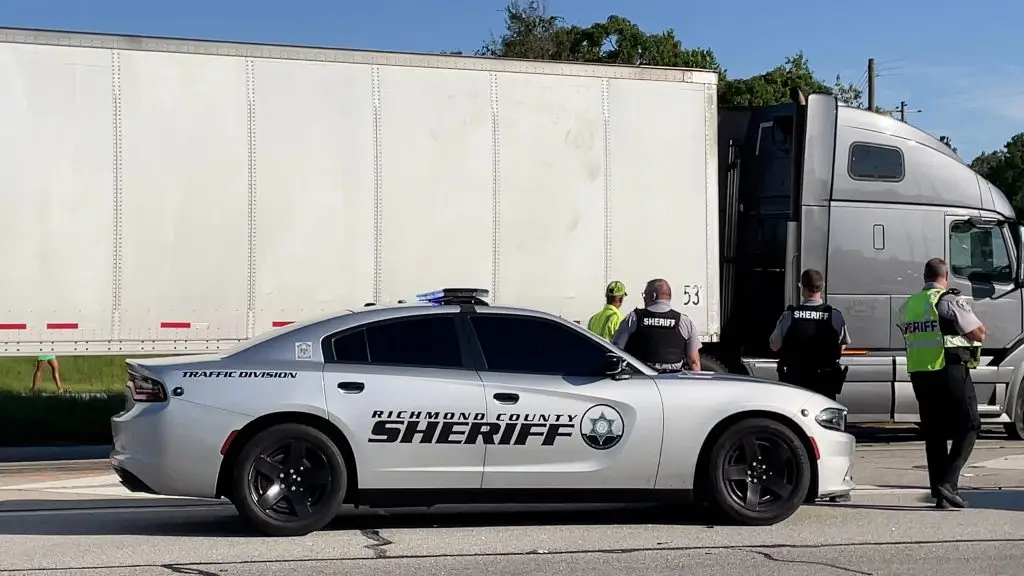
For many small fleets, dash cams can serve as both a safety tool and an incident-evidence tool. Video can help establish what occurred during a crash or traffic dispute and can provide managers with specific examples for driver coaching.
AI detection can also shift safety management from reviewing hours of footage to reviewing selected events. That can be valuable when a small company does not have a dedicated safety team.
When evaluating the best fleet camera systems, the business case depends on your exposure to crashes, claims, unsafe driving, cargo risk, and insurance requirements. The right system should make those risks easier to manage rather than simply adding another monthly expense.
What Type of Fleet Dash Cam Do You Need?
For many operators, the best dash cam for fleet vehicles starts with a forward-facing camera. A forward-facing camera is the basic option for recording the road. A dual-facing camera records both the road and driver. This is another reason to compare the best dash cam for fleet vehicles by actual use case. Multicamera systems add side, rear, cargo, passenger, or other views.
If your main concern is crash documentation, a road-facing camera may be enough. If distracted driving and driver coaching are priorities, dual-facing hardware can provide more context. If your vehicles have significant blind spots or carry passengers or valuable cargo, auxiliary cameras may make more sense.
The best dash cam for fleet vehicles is therefore determined by the risks and workflows of the business, not simply by the number of cameras.
Other Options Small Fleets May Consider
The market includes many commercial camera products, including top fleet dash cam systems, but a small carrier should avoid choosing a system based only on a feature checklist. Two systems can both offer HD video and AI alerts while creating very different day-to-day experiences.
For example, a carrier that operates box trucks in a city may care more about side visibility and pedestrian detection than a long-haul carrier. A towing company may prioritize incident footage and live visibility, while a passenger operation may need interior monitoring. A contractor with service vans may care about driver behavior, vehicle location, and easy installation.
This is why the best commercial vehicle camera systems are not necessarily the systems with the longest feature lists. They are the ones that fit the vehicles, drivers, routes, and management process of the business.
Small fleets should also think about what happens after an alert is generated. Can a manager quickly find the video evidence? Can the driver receive coaching? Can the company document that an event was reviewed? Does the system connect the event to location and vehicle information? These questions are often more important than having another advanced feature that the fleet rarely uses.
For a growing carrier, scalability matters too. A dash camera system that works for five trucks should not become difficult to manage at 15 or 25 trucks. Look for centralized administration, driver identification, reporting, and straightforward hardware deployment.
The best truck camera systems should also fit into an existing safety culture. Drivers should understand what is being recorded, why the cameras are being used, and how footage will be handled. Clear policies and consistent coaching can make the technology easier for drivers to accept and more useful for managers.
How to Choose the Best Fleet Camera System for Your Business
Start by listing the problems you want the system to solve. Then compare dash cams against those requirements.
First, determine the views you need. Next, identify the driving behaviors you want AI to detect. Then review how alerts, coaching, and video retrieval work.
After that, look at integration. If you already use an ELD or GPS platform, a compatible camera can reduce duplicate hardware and logins.
Finally, calculate the full cost. Compare dash camera hardware, monthly service, storage, installation, and accessories. Review contract requirements and make sure the system can scale if you add trucks.
Why Choose GPSTab for Your Fleet
GPSTab brings fleet cameras, ELD compliance, GPS tracking, and other fleet safety tools together in one platform. Its AI-powered camera system provides road-facing and in-cab video, automatic event detection, instant alerts, live viewing, and cloud storage.
The platform can also support auxiliary cameras, making it one of the best fleet camera and visibility systems for small operators that want to expand coverage.
That gives small fleets a simple-to-use fleet camera system, that provides video evidence when its needed most, helping protect against false claims.
For businesses that want a straightforward system without managing a separate dash cam system and telematics data platforms, GPSTab is the best fleet dash cam system, offering a practical way to connect video with fleet operations.
Frequently Asked Questions
What is the best dash cam system for a small fleet?
The right camera system depends on the fleet’s vehicles, safety priorities, required camera coverage, integrations, and budget. GPSTab, Motive, Samsara, Netradyne, and Lytx all offer commercial fleet camera solutions with different approaches to AI, telematics, coaching, and video management.
How much does a fleet dash cam cost?
Fleet dash cam costs vary by provider and configuration. Expect to account for hardware, monthly service, cloud storage, installation, cellular connectivity, and additional cameras. Many providers use customized pricing, so request a complete quote before comparing systems.
Do fleet dash cams have GPS tracking?
Many connected fleet cameras integrate with GPS and telematics systems. GPS data can add vehicle location, speed, and driver behavior to recorded events. Some camera hardware includes GPS directly, while other truck camera systems connect the camera to a separate vehicle gateway.
What should I look for in a fleet camera system?
Look for reliable HD video, the camera views you need, AI safety detection, GPS data integration, easy video retrieval, useful alerts, cloud storage, simple installation, privacy controls, and pricing that fits your fleet. Also consider whether the platform can support your operation as it grows.