
If you drive your personal vehicle for business, keeping a clear mileage record can help support a deduction or an employer reimbursement. But an IRS mileage log is more than a list of miles. Your records should show when the vehicle was used, where you went, why the trip was business-related, and enough information to substantiate the mileage.
The IRS does not require one specific log format. Instead, it expects adequate, timely records supporting business use. For 2026, the standard business mileage rate is 72.5 cents per mile for January 1 through June 30 and 76 cents per mile for July 1 through December 31. The midyear change makes accurate dates especially important.
What Are the IRS Mileage Log Requirements?
The core IRS mileage log requirements are based on substantiation. IRS Publication 463 says transportation records should show the date of vehicle use, business destination, business purpose, mileage for each business use, and total mileage for the year. Odometer readings are also useful and are included in the IRS’s example of a daily business mileage log.
A spreadsheet, paper log, mileage app, or another system can work if it captures the necessary information.
IRS Mileage Log Requirements at a Glance
For a practical mileage log, record:
- Date of the trip
- Destination or business location
- Business purpose
- Starting and ending odometer readings, when available
- Miles driven for the business trip
- Total annual vehicle mileage
- Supporting records when appropriate, such as invoices, appointment records, delivery documents, or receipts
The IRS allows taxpayers to use a computer record as an adequate written record. It does not require a particular template or branded IRS form, so there is no single IRS approved mileage log.
What Does the IRS Require in a Mileage Log?
1. Date of the Trip
Record the date when the business driving occurred. Accurate dates help establish when the vehicle was used and which mileage rate or tax year applies.
For 2026, this is important because the business standard mileage rate changed on July 1.
2. Destination or Place of Business Travel
Record where you traveled for business. A city, town, customer, job site, or other useful destination description may be appropriate depending on the trip.
For recurring routes, you do not need a lengthy description every time. IRS guidance recognizes consistent route descriptions, dates, and mileage.
3. Business Purpose
State why the trip was business-related. Examples include “customer meeting,” “equipment delivery,” “job site visit,” “supplier pickup,” or “service call.”
A vague entry such as “business” provides less useful evidence than a specific description.
4. Miles Driven
Record the business miles for each trip or business-use segment. You should also track total vehicle mileage for the year so that business use can be compared with total use.
5. Beginning and Ending Odometer Readings
Odometer readings strengthen a mileage record by providing a way to connect the miles claimed with the vehicle’s actual use. They are part of the IRS’s example daily business mileage log.
They are a practical way to make a mileage log more complete.
IRS Mileage Log Requirements for Fleets
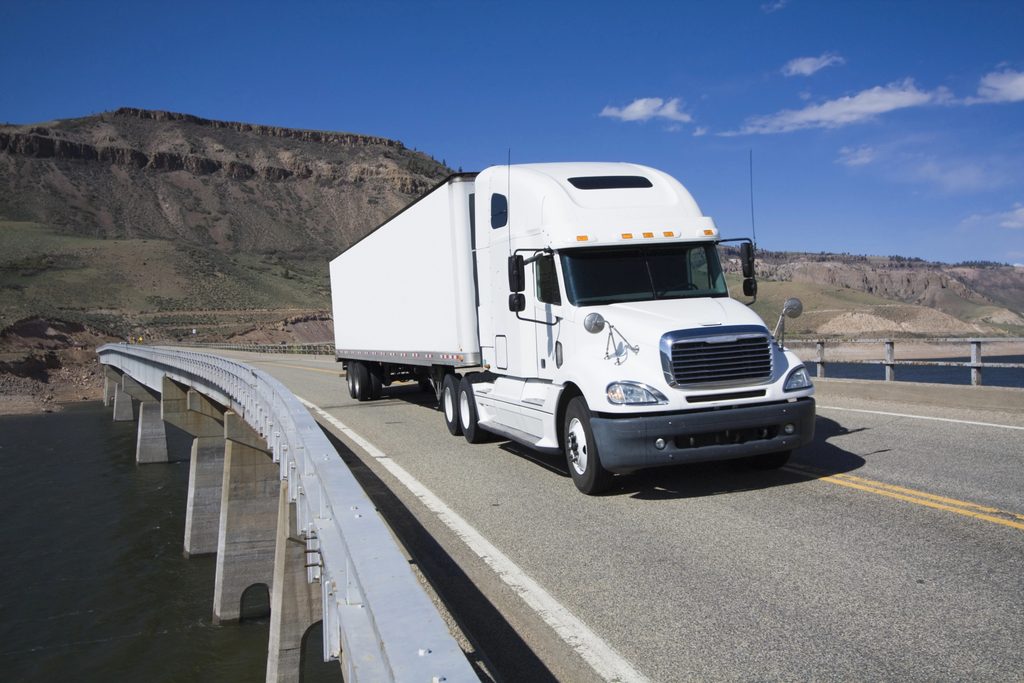
Fleet operators have additional recordkeeping considerations because multiple drivers and vehicles may generate thousands of miles. A fleet mileage system should identify the vehicle, driver, date, destination, business purpose, and miles associated with each trip.
For company-owned vehicles, businesses should distinguish business and personal use where applicable. The IRS states that unsubstantiated business use of an employer-provided vehicle can be included in the employee’s income under applicable rules.
For larger fleets, automated mileage tracking can reduce manual entry and create a centralized record. However, technology does not remove the need for accurate underlying data. Businesses should have procedures for correcting errors, identifying drivers and vehicles, and retaining supporting records.
IRS Mileage Log Requirements for Employees and Employers
Employees and employers should distinguish between a tax deduction and an employer reimbursement. An employee may submit mileage records to an employer under an accountable plan, provided the applicable requirements are met. The IRS describes accountable plans as requiring a business connection, adequate substantiation within a reasonable period, and return of excess amounts.
For federal income tax purposes, unreimbursed employee travel expenses are generally not deductible as miscellaneous itemized deductions, although exceptions apply. Keeping a log does not automatically create a personal tax deduction.
Employers can establish their own reimbursement procedures, including deadlines and required documentation, as long as those procedures comply with applicable tax rules.
What Makes a Mileage Log IRS-Compliant?
There is no single IRS approved mileage log layout. Instead, an IRS compliant mileage log should contain enough timely, accurate information to substantiate the business use being claimed.
Timely Records: When Should You Record Mileage?
The IRS recommends recording an expense or business use at or near the time it occurs. A contemporaneous record generally has more evidentiary value than one reconstructed later.
You do not necessarily have to enter every trip immediately. IRS Publication 463 says a weekly log can still be timely if it adequately accounts for that week’s use.
Can You Reconstruct a Mileage Log After the Fact?
A reconstructed record can be less persuasive. If you need to recreate missing information, use calendars, invoices, delivery records, appointment schedules, fuel records, or GPS data.
Do not rely on memory alone when better evidence is available.
Are Estimated Miles Acceptable?
The IRS states that you cannot deduct amounts that are merely approximated or estimated. Mileage should therefore be supported by actual records or sufficient evidence rather than a rounded annual guess.
Free IRS Mileage Log Template for 2026
You can create a simple mileage log using the following columns:
| Date | Vehicle | Driver | Destination | Business Purpose | Start Odometer | End Odometer | Business Miles |
| 1/8/2026 | Vehicle 1 | Driver A | Customer A | Customer meeting | 25,410 | 25,452 | 42 |
| 1/12/2026 | Vehicle 1 | Driver A | Supplier B | Parts pickup | 25,600 | 25,638 | 38 |
Add yearly totals for business and total vehicle miles. For several vehicles, use a separate vehicle identifier.
Is There an Official Form of IRS Mileage Log?
No. The IRS does not require taxpayers to use an official IRS mileage form. In Publication 463, the IRS provides an example of a daily business mileage and expense log and specifically notes that the example is not an official Internal Revenue form.
Excel, Google Sheets, paper logs, and mileage tracking applications can all be appropriate.
2026 IRS Mileage Rates
For 2026, the standard mileage rate for business use is 72.5 cents per mile from January 1 through June 30 and 76 cents per mile from July 1 through December 31. The IRS announced the midyear increase because of changes in fuel prices.
The 2026 rates are:
| Period | Business | Medical | Charitable |
| Jan. 1–June 30, 2026 | $0.725/mile | $0.205/mile | $0.14/mile |
| July 1–Dec. 31, 2026 | $0.76/mile | $0.235/mile | $0.14/mile |
The business rate is optional; taxpayers may instead use actual vehicle expenses when permitted. Special rules apply to ownership, leasing, and prior use of the standard mileage method.
How to Calculate Your 2026 Mileage Deduction
Separate your qualifying business miles by the applicable period. For example, if you drove 4,000 qualifying business miles during the first half of 2026, the standard mileage calculation would be 4,000 × $0.725 = $2,900.
If you drove another 4,000 qualifying business miles from July through December, that portion would be 4,000 × $0.76 = $3,040. Together, those periods produce a $5,940 calculation before other applicable rules.
What Mileage Can You Claim on Your Taxes?

Not every mile driven is a deductible business mile. Personal driving generally does not qualify, and normal commuting between home and a regular workplace is generally personal.
Business transportation can include travel between business locations, customer visits, deliveries, and certain trips to temporary work locations. The rules depend on your circumstances.
For self-employed individuals and businesses, qualifying vehicle expenses may generally be calculated using the standard mileage method or actual expenses. Parking fees and tolls associated with business travel may receive separate treatment.
A mileage log for taxes should separate business use from personal and commuting use.
How Long Should You Keep IRS Mileage Records?
The IRS generally says to keep records supporting income, deductions, or credits until the applicable period of limitations expires. In many situations, this means three years after filing the return, but longer periods can apply. For example, the IRS says records may need to be kept for six years when more than 25% of gross income is omitted, and certain records should be retained indefinitely.
Also consider other legal, accounting, insurance, or employment requirements that may call for longer retention.
What Happens If You Don’t Have an IRS-Compliant Mileage Log
Without adequate records, it can be difficult to substantiate the business mileage reported on a tax return or submitted for reimbursement. The IRS places the burden of proof on the taxpayer to support deductions and related claims.
Weak or incomplete documentation can make a claim harder to defend during an examination.
Common IRS Mileage Log Mistakes
Common problems include:
- Recording mileage months after the trip
- Using estimated annual mileage
- Leaving the business purpose blank
- Tracking miles without destinations
- Mixing personal and business miles
- Failing to identify the vehicle
- Forgetting the 2026 midyear mileage-rate change
- Keeping only a final annual mileage total
- Losing supporting documents
- Assuming an employer reimbursement automatically equals a tax deduction
A good tax mileage log should be simple enough to update consistently. An unused system is less useful than a practical one used throughout the year.
Paper vs. Spreadsheet vs. Mileage Tracking Software
Paper logs are inexpensive and straightforward, but they can be misplaced and may require manual calculations.
Spreadsheets provide more flexibility. Excel or Google Sheets can calculate totals, sort trips, and separate business mileage by vehicle or driver. They can be a good option for individuals and smaller businesses.
Mileage tracking software can automate much of the process with GPS and digital records. For fleets, it can simplify vehicle and driver records.
Whichever method you choose, the records should clearly support business use. A mileage log for IRS purposes does not need to be complicated, but it should be accurate, timely, and detailed enough to substantiate the miles claimed. These are the main mileage log requirements for irs documentation.
FAQs
What are the IRS mileage log requirements for 2026?
The IRS expects adequate records supporting business vehicle use. A practical log should include the date, destination, business purpose, business miles, and supporting mileage information such as odometer readings. Records should be maintained at or near the time of use when possible.
What information must be included in an IRS mileage log?
For vehicle expenses, IRS guidance calls for records showing the date of use, mileage for each business use, total mileage for the year, business destination, and business purpose. This also gives you a useful sample mileage log for irs records.
Does the IRS have an official mileage log form?
No. There is no required official format. The IRS provides an example in Publication 463, but it states that the example is not an official IRS form.
Does an IRS mileage log need odometer readings?
Odometer readings are not the only possible form of mileage evidence, but they are useful. The IRS’s sample log includes starting and ending odometer readings, along with destination, purpose, and miles.
Can I use Excel or Google Sheets for an IRS mileage log?
Yes. The IRS does not require a particular recordkeeping format and recognizes computer records as adequate written records. These are the core IRS requirements for mileage log documentation.
Final Thoughts
The key to meeting IRS mileage tracking requirements is consistent documentation. Record business trips promptly, identify the destination and purpose, track actual miles, and keep supporting records with your tax documents.
For 2026, remember that the business standard mileage rate changed from 72.5 cents per mile during the first half of the year to 76 cents per mile beginning July 1. Keeping dates and mileage organized throughout the year makes it easier to apply the correct rate and support your records if questions arise.