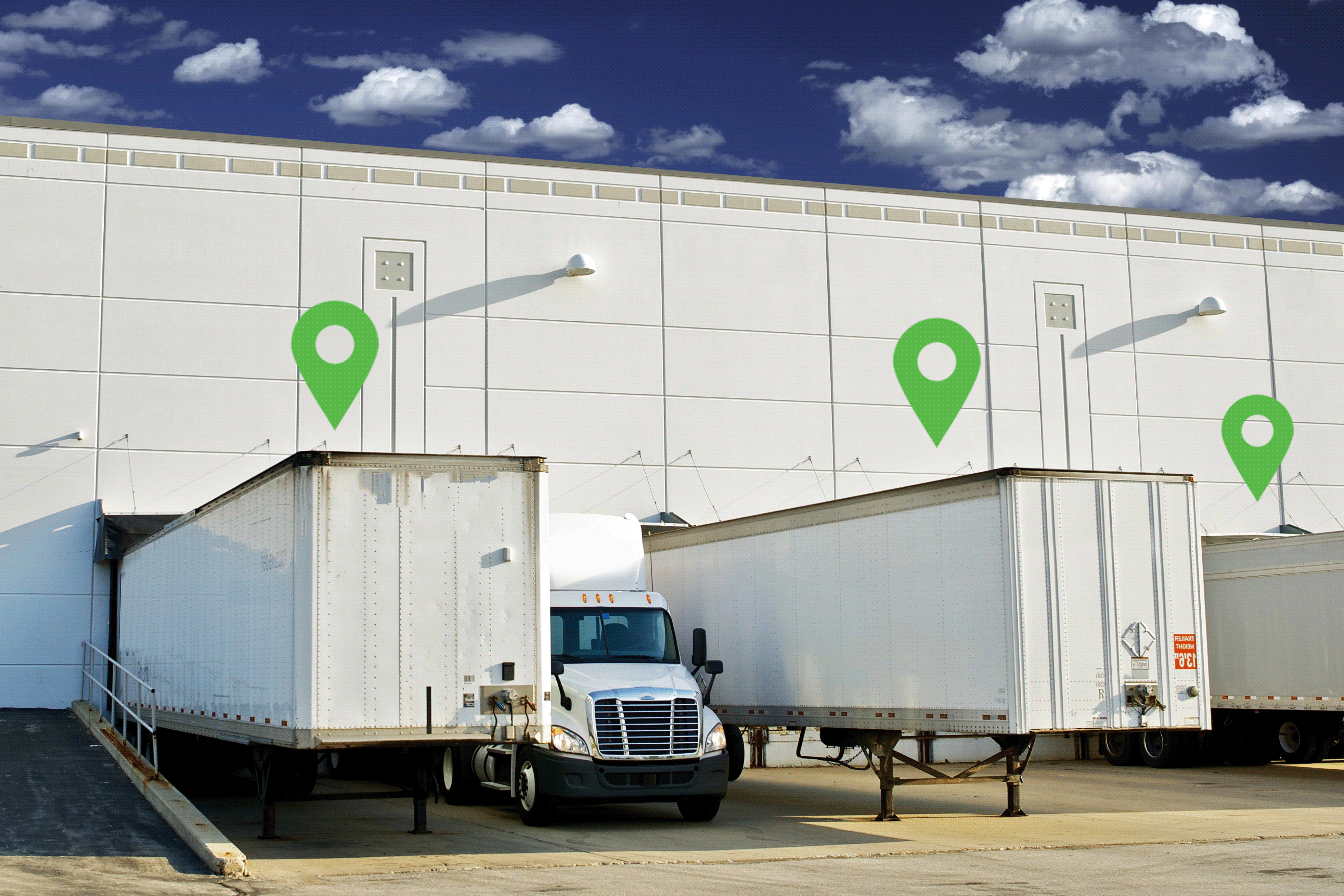
Fleet telematics helps businesses track vehicles, improve driver safety, monitor maintenance, and manage daily operations. Modern systems combine GPS tracking with tools such as electronic logging devices (ELDs), vehicle diagnostics, and AI-powered dash cameras.
However, providers differ in features, pricing, integrations, and supported vehicle types. Some focus on trucking compliance, while others emphasize video safety, analytics, or enterprise fleet management.
This guide compares the best telematics companies for 2026, highlighting their key features, ideal customers, and considerations for choosing a solution that fits your fleet.
Best Fleet Telematics Companies at a Glance
The best fleet telematics companies depend on your vehicle count, industry, budget, and operational requirements.
| Company | Primary Strength | Best Fit |
| GPSTab | ELDs, GPS tracking, AI cameras | Trucking and growing fleets |
| Samsara | Connected operations and video safety | Integrated fleet management |
| Motive | Compliance and driver safety | Commercial trucking |
| Geotab | Vehicle data and integrations | Mixed and data-focused fleets |
| Verizon Connect | GPS tracking and dispatch | Service and delivery fleets |
| Solera – Omnitracs | Transportation operations | Large carriers |
| Azuga | Tracking and driver behavior | Small and midsize fleets |
| Platform Science | Connected vehicle technology | Configurable fleet operations |
| Trimble Transportation | Transportation management | Carriers and logistics companies |
| Netradyne | AI video safety | Safety-focused fleets |
How We Selected and Compared Top Fleet Telematics Companies
We compared the top fleet telematics companies using practical criteria that affect everyday operations:
- Core features: GPS tracking, ELD compliance, diagnostics, and maintenance.
- Safety tools: Dash cameras, driving-event detection, alerts, and coaching.
- Usability: Simple workflows for drivers, dispatchers, and managers.
- Compatibility: Support for different vehicle types and models.
- Integrations: Connections with transportation, accounting, and maintenance software.
- Pricing: Hardware, installation, subscriptions, and contract terms.
- Scalability: Ability to accommodate additional vehicles and users.
This is a feature-based comparison, not a claim that every platform was tested under identical conditions. Confirm current capabilities and pricing directly with each vendor.
10 Best Telematics Companies for Fleets in 2026
1. GPSTab

As one of the top fleet telematics companies, GPSTab provides fleet technology designed for trucking companies, including ELDs, GPS tracking, and AI-powered camera systems.
Its ELD solutions help drivers manage hours-of-service records, while asset tracking gives fleet managers visibility into vehicle locations and activity. AI cameras can identify selected unsafe driving behaviors, record events, and provide footage for incident reviews and driver coaching.
Key features:
- ELD hardware and driver mobile application.
- Hours-of-service and compliance workflows.
- GPS vehicle tracking.
- AI camera alerts and event recordings.
- Driver performance monitoring.
- Tools supporting fleet maintenance and inspections.
Best for: Owner-operators and small to midsize trucking fleets seeking compliance, tracking, and optional camera technology.
Considerations: GPSTab offers a flexible option for fleets that want to avoid long-term contracts, cancellation fees, and hidden fees. Keep in mind that ELD hardware is purchased separately for a one-time cost, and the monthly service fee applies while the service is active.
2. Samsara

Samsara combines vehicle telematics, vehicle tracking, video safety, equipment monitoring, and operational analytics. Its platform serves transportation, construction, field service, and other industries.
Depending on the selected products, businesses can monitor vehicle locations, review driving events, and analyze fleet performance from a centralized interface.
Key features: GPS tracking, vehicle diagnostics, video safety, asset monitoring, and reporting.
Best for: Fleets seeking connected tools across vehicles, drivers, and equipment.
Considerations: Review hardware requirements, product-specific subscriptions, and contract terms.
3. Motive

Motive focuses on fleet management, compliance, and driver safety. Its platform combines GPS tracking with ELD workflows, vehicle information, and AI-enabled camera technology.
Businesses can use these tools to manage driver records, review safety events, and improve operational visibility.
Key features: ELD compliance, GPS tracking, AI cameras, vehicle inspections, and reporting.
Best for: Trucking and commercial fleets prioritizing compliance and safety.
Considerations: Confirm available features, integrations, and support options for your selected package.
4. Geotab
Geotab emphasizes vehicle data, diagnostics, analytics, and integrations. Its platform helps organizations monitor vehicle health, fuel use, utilization, and driver behavior.
Its integration ecosystem can benefit businesses that want to connect telematics data with third-party applications or build customized reports.
Key features: GPS tracking, diagnostics, maintenance monitoring, analytics, and integrations.
Best for: Mixed fleets and organizations that need detailed vehicle data.
Considerations: Evaluate hardware compatibility and the technical resources required to configure reporting and integrations.
5. Verizon Connect
Verizon Connect provides fleet tracking and management tools for transportation, delivery, and field service businesses.
Its platform can help managers monitor vehicle locations, coordinate routes, review driver activity, and identify opportunities to reduce unnecessary mileage.
Key features: Asset tracking, dispatch visibility, driver monitoring, maintenance tools, and reporting.
Best for: Commercial fleets managing vehicles across multiple locations.
Considerations: Request an itemized quote and verify installation costs, contract terms, and required integrations.
6. Solera – Omnitracs

Omnitracs has a long history in transportation technology, serving carriers with complex fleet management and operational requirements.
Its solutions have supported trucking workflows, compliance processes, and fleet visibility. Product availability and capabilities should be confirmed for the specific solution being considered.
Key strengths: Trucking-focused workflows, fleet management, operational reporting, and transportation system integrations.
Best for: Established carriers with detailed operational requirements.
Considerations: Verify the current product portfolio, support arrangements, and migration options.
7. Azuga
Azuga offers GPS tracking and fleet safety tools that help businesses monitor vehicle locations and driver behavior.
Depending on the configuration, managers can review driving events, analyze performance, and use feedback to encourage safer driving.
Key features: GPS tracking, driver behavior monitoring, utilization reporting, alerts, and maintenance tools.
Best for: Small and midsize commercial fleets.
Considerations: Confirm camera availability, integrations, and subscription costs.
8. Platform Science

Platform Science develops connected vehicle technology that helps transportation companies coordinate driver applications, vehicle data, and operational software.
Its configurable approach may suit organizations that need to standardize technology across their fleets while retaining flexibility in application deployment.
Key strengths: Connected vehicle technology, driver applications, integrations, and configurable workflows.
Best for: Transportation businesses seeking flexible fleet technology.
Considerations: Ask about deployment requirements, supported hardware, and implementation timelines.
9. Trimble Transportation

Trimble Transportation provides technology for carriers and logistics organizations, including transportation management and operational planning tools.
Its solutions can help businesses connect fleet information with routing, dispatch, load planning, and broader logistics workflows.
Key strengths: Transportation management, routing, planning, and operational integrations.
Best for: Carriers that need fleet visibility alongside transportation management tools.
Considerations: Identify the specific product required and compare implementation costs and integration capabilities.
10. Netradyne
Netradyne specializes in AI-powered video safety technology for commercial fleets. Its camera systems analyze selected driving behaviors and provide information that supports driver coaching and incident reviews.
Unlike providers focused primarily on GPS tracking or ELDs, Netradyne is particularly relevant when video safety is the main priority.
Key features: AI video monitoring, safety event reviews, driver coaching, and performance insights.
Best for: Fleets prioritizing video-based safety programs.
Considerations: Determine whether you also need separate GPS tracking, compliance tools, or vehicle diagnostics.
Which Telematics Provider Fits Your Fleet the Best?
The top telematics companies serve different operational needs. Use your fleet type and priorities to narrow the options.
Best Telematics Companies for Small Fleets and Owner-Operators
Small fleets often need affordable subscriptions, easy installation, and straightforward compliance tools. GPSTab is worth considering for trucking businesses that need ELDs, GPS tracking, and optional cameras. Azuga may suit smaller commercial fleets, while Motive offers broader compliance and safety capabilities.
When comparing the best fleet telematics solutions, prioritize features you will use regularly rather than paying for unnecessary complexity.
Top Fleet Telematics Providers for Trucking and Long-Haul Fleets
Long-haul carriers need reliable tracking, hours-of-service management, driver communication, and visibility across extended routes.
GPSTab, Motive, Samsara, Geotab, and Trimble Transportation are some of the top fleet telematics companies. Compare ELD workflows, vehicle diagnostics, safety tools, and integration with dispatch systems. Verify that any ELD meets applicable FMCSA requirements.
Best Fleet Telematics Solutions for Delivery and Field Service Fleets
Delivery businesses and contractors often prioritize dispatch visibility, route efficiency, vehicle utilization, and customer service.
Verizon Connect and Samsara are worth evaluating for fleet visibility and operational tools. Geotab may be appropriate when data and integrations are priorities, while Azuga offers tracking and driver behavior monitoring.
Look for geofencing, route monitoring, maintenance reminders, and mobile access.
Top Telematics Companies for Large Fleets with Multiple Vehicle Types
Large fleets may need centralized reporting, role-based access, enterprise integrations, and support for different vehicle classes.
Geotab, Samsara, Verizon Connect, and Platform Science are potential candidates, depending on your needs. Trimble Transportation may also fit operations that require integrated logistics workflows.
Evaluate scalability, implementation requirements, and the effort needed to maintain integrations.
What to Look for in the Best Telematics for Trucking
The best telematics for trucking should support compliance, vehicle visibility, safety, and maintenance without making everyday workflows unnecessarily complicated.
ELD Workflows, Hours of Service, and Driver Usability
Fleets subject to ELD requirements need accurate records, accessible driver logs, and practical compliance workflows. Evaluate how drivers certify logs, manage duty statuses, and access records during inspections.
Ask providers to demonstrate actual driver workflows and verify compliance with current regulations.
Truck Compatibility, Diagnostics, and Maintenance Alerts
Compatibility depends on vehicle make, model, age, engine, and connection type. Depending on the hardware, diagnostics may include mileage, fuel consumption, fault codes, and battery information.
Confirm which data is available for your vehicles and whether maintenance alerts can help reduce unexpected downtime.
GPS Coverage, Update Intervals, and Offline Data
Ask how frequently vehicle locations update and how the device handles weak cellular coverage. The best telematics providers store data locally and transmit it when connectivity returns.
Consider whether you need historical route playback, geofencing, stop-duration reports, or frequent location updates for dispatch.
Dash Cams, Safety Events, and Driver Coaching
AI-powered cameras can identify selected events, including distracted driving, harsh braking, speeding, and seat belt violations, depending on the system.
Compare video quality, storage policies, alert accuracy, and access controls. Driver scorecards and coaching tools can help managers address recurring safety concerns.
How Much Do Fleet Telematics Solutions Cost in 2026?
Costs vary by hardware, features, vehicle count, and contract terms. The following figures are illustrative budgeting estimates, not verified quotes from the listed providers.
| Expense | Illustrative Cost |
| GPS tracking hardware | $50–300 per vehicle |
| ELD hardware | $100–400 per vehicle |
| AI dash camera | $150–500+ per vehicle |
| Professional installation | $50–250+ per vehicle |
| Basic GPS subscription | $15–40 per vehicle/month |
| ELD subscription | $20–50 per vehicle/month |
| Advanced video telematics | $30–100+ per vehicle/month |
Hardware, Installation, and Monthly Subscriptions
Some providers bundle hardware and software, while others charge separately. Installation requirements also vary. Calculate the total cost rather than comparing monthly subscriptions alone.
Add-Ons, Contracts, and Other Costs to Compare
Video storage, integrations, advanced reporting, and premium support may cost extra. Ask about cancellation fees, renewal terms, hardware ownership, and replacement policies.
Request itemized quotes and compare costs over 12, 24, and 36 months.
How to Evaluate a Telematics Provider Before You Commit
Before selecting a vendor, compare how each platform fits your fleet’s daily operations, budget, and long-term goals.
- Define your priorities. Identify your biggest challenges, whether that’s ELD compliance, vehicle tracking, driver safety, maintenance, or reducing operating costs. Focus on features that address these needs and provide total fleet optimization.
- Confirm compatibility with your vehicles. Provide vehicle makes, models, and years to verify hardware compatibility and available diagnostic data.
- Request a demonstration of real workflows. Ask to see how drivers complete logs, how dispatchers track vehicles, and how managers review safety events and reports.
- Review the full cost. Compare hardware, installation, monthly subscriptions, optional features, and potential cancellation fees. Calculate costs over the expected contract period.
- Verify integrations. Check whether the platform connects with your transportation management system (TMS), accounting software, fuel cards, and maintenance tools.
- Ask about customer support. Understand support hours, troubleshooting procedures, and hardware replacement policies. Reliable assistance can minimize disruptions when technical issues arise.
- Test the system when possible. A pilot program with a few vehicles lets drivers and managers evaluate usability before a fleet-wide rollout.
- Review data policies. Understand who can access vehicle data and camera footage, how long information is retained, and whether records can be exported if you switch providers.
Also consider how the system will support your business as it grows. Adding vehicles, users, and locations should not require an unnecessarily complicated implementation. Ask about software updates, training resources, and the process for expanding your subscription.
Finally, involve the people who will use the platform daily. Drivers can identify usability issues, dispatchers can evaluate tracking accuracy, and safety managers can assess reporting and coaching tools. Their feedback can reveal practical limitations that a sales demonstration might overlook.
When comparing the top telematics companies for fleet tracking, consider location update frequency, historical route data, vehicle diagnostics, and integration with your existing fleet management tools.
The best telematics provider for fleet tracking is one that fits your workflows, provides useful data, and offers a sustainable total cost of ownership. Compare written proposals and test essential features before committing to a long-term agreement.
Find the Right Fleet Telematics Setup with GPSTab
GPSTab helps trucking companies combine ELD compliance, GPS tracking, and AI-powered camera technology. By bringing essential fleet tools together, businesses can improve visibility into vehicle activity while supporting driver compliance and safety.
For trucking companies, ELD technology helps manage hours-of-service records, while GPS tracking provides insight into vehicle locations and fleet activity. Adding AI-powered cameras can give managers more context around selected driving events, helping them investigate incidents and identify opportunities for driver coaching.
The right setup depends on your operation. Owner-operators may prioritize straightforward compliance tools and predictable costs, while growing fleets may need additional vehicles, camera systems, and broader visibility into driver performance. Evaluating these requirements upfront helps you select the features that provide the most value without paying for unnecessary capabilities.
GPSTab is one of the best telematics providers if you’re looking for practical fleet technology designed around trucking operations. From hours of service, to vehicle maintenance and fuel management–GPSTab gives you the real-time data you need to optimize asset utilization.
Whether you operate a few trucks or manage a growing fleet, the right combination of tools can improve vehicle visibility, support safer driving, and simplify fleet management.
Ready to explore your options? Contact GPSTab to discuss your fleet’s requirements, confirm hardware compatibility, and request a personalized quote. A conversation with the team can help you determine which solutions align with your operational priorities and budget.
Frequently Asked Questions
What Is the Difference Between GPS Tracking and Telematics?
GPS tracking identifies vehicle location and movement. Telematics combines location information with real-time data from vehicle systems, sensors, and connected devices. Depending on the platform, it can support diagnostics, maintenance alerts, driver behavior monitoring, and compliance workflows.
What Are the Best Telematics Companies for Fleets?
The best telematics companies depend on fleet size and operational priorities. GPSTab is worth considering for trucking businesses seeking ELDs, GPS tracking, and AI cameras. Samsara and Motive offer broader fleet management and safety capabilities, while Geotab emphasizes vehicle data and integrations.
Verizon Connect and Azuga are options for tracking and operational visibility. Platform Science, Trimble Transportation, Omnitracs, and Netradyne address different needs across connected vehicle technology, transportation management, and video safety.
Compare current features, pricing, compatibility, and contract terms before deciding.
What Is the Best Telematics Solution for Fleets with Under 50 Vehicles?
For fleets under 50 vehicles, prioritize ease of use, predictable costs, and essential features. GPSTab may fit trucking companies needing compliance and camera options, while Azuga, Motive, and Samsara are alternatives worth evaluating.
The right choice depends on vehicle type, required integrations, and whether you need ELDs, tracking, or advanced safety features.
Can I Use Existing Hardware with a New Telematics Provider?
Sometimes. Compatibility depends on device model, firmware, vehicle connections, and the new provider’s platform. Some vendors support third-party hardware, while others require proprietary devices.
Provide the new provider with your hardware details and confirm whether historical data can be transferred before switching.
What Does Fleet Telematics Cost Per Vehicle?
Basic GPS tracking may cost around 15–40 per vehicle per month, while some advanced video telematics packages cost 30–100 or more. Hardware, installation, and optional services can increase the total.
These are illustrative estimates, not vendor-specific quotes. Request an itemized proposal to calculate your actual costs.