

Did you know that distracted driving has recently seen a sharp increase in incidents? In fact, distracted driving contributed to about 25-30% of fleet vehicle accidents.
The reality is that most accidents nowadays are caused by human error, with incidents of distracted driving, fatigue, or delayed reaction being the most prevalent. That’s exactly where ADAS comes into play.
You may have heard the term ADAS in conversations with other fleet owners before, but never got around to really understanding how it can benefit your business. So, before adding this vehicle safety tool to your operations, we’re going to answer the question once and for all: what is ADAS and how does it actually work?
What is ADAS?
Here are the basics: The ADAS definition refers to a set of technologies built into vehicles to assist drivers and reduce human error.
These systems use sensors, cameras, and software to monitor surroundings and respond to potential dangers. When necessary, the system also provides alerts or even intervenes automatically.
Today, ADAS in cars and commercial vehicles is becoming standard across the industry, helping businesses curb high accident frequency rates and boost their overall safety program.
Safety expectations are higher than ever, and ADAS better positions your fleet to reduce risk and protect your drivers.
What does ADAS stand for?
ADAS stands for Advanced Driver Assistance Systems, as we explained before, these systems are designed to support drivers by improving awareness, reducing fatigue, and helping prevent accidents before they happen.
Now let’s get into the nitty-gritty of ADAS.
How ADAS work
An ADAS system works by continuously collecting and analyzing data from your vehicle’s environment, relying on multiple pieces of tech working together to build a real-time picture of the road.
Here’s a quick example for you: A forward-facing camera tracks lane markings, traffic signs, and vehicles ahead. Simultaneously, you’ve got radar sensors measuring the distance and speed of nearby vehicles. Then, all of this information is fed into intelligent control systems that determine whether intervention is needed if a potential hazard is detected.
In that case, the system can alert the driver or in other cases may activate features like collision avoidance to reduce the severity of an incident. A modern ADAS system in cars can respond in milliseconds, helping drivers that may not be able to recreate the same reaction times.
In fact, a study projected that ADAS could prevent up to 249,400 fatalities in the U.S. between 2021 and 2050.
Core components of ADAS
Most advanced driver assistance systems rely on a combination of components that work together seamlessly:
- Cameras that identify road conditions and obstacles
- Radar and sensor technology for distance tracking
- Software algorithms that process data and trigger responses
- Integrated braking and steering inputs for intervention
Together, these elements form a reliable ADAS car system that enhances safety without interrupting normal driving behavior.
Types of ADAS
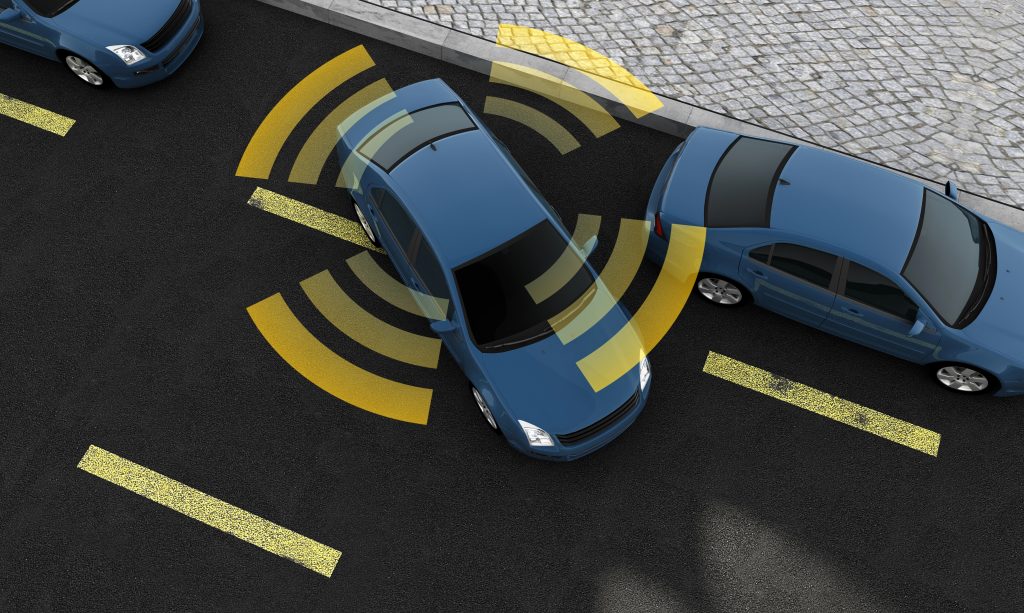
Not every ADAS system behaves the same way. Generally, these systems fall into two categories based on how they interact with the driver.
Passive ADAS (Warning Systems)
Passive systems focus on alerts. They monitor the environment and notify drivers when something requires attention.
Examples include:
- Forward Collision Warning to alert drivers of sudden slowdowns
- Lane Departure Warning when the vehicle drifts out of its lane
- Alerts for blind spot monitoring when another vehicle is nearby
These systems are a core part of modern ADAS automotive safety strategies.
Active ADAS (Intervention Systems)
Active systems go further by stepping in when necessary. Instead of just warning the driver, they take action to prevent accidents.
Examples include:
- Automatic emergency braking to stop the vehicle in critical situations
- Steering adjustments for lane correction
- Speed control through adaptive cruise control
These features are especially valuable in a commercial ADAS vehicle, where reaction time can make all the difference.
Most common ADAS features
Modern fleets rely on a range of features to improve both safety and efficiency. To help you choose the best system for you, here’s what you should consider:
Adaptive Cruise Control (ACC)
This feature uses adaptive cruise control to automatically adjust speed based on traffic flow, helping maintain a safe following distance during long hauls.
Automatic Emergency Braking (AEB)
Designed to prevent collisions, this feature works alongside detection systems to stop the vehicle if the driver does not react in time.
Lane Keeping Assist (LKA)
This system supports lane keeping by making small steering adjustments to keep the vehicle centered.
Blind Spot Detection (BSD)
Blind Spot Detection works with blind spot monitoring to alert drivers when vehicles are in hard-to-see areas, reducing the risk of unsafe lane changes.
Parking Assist
Features like parking assistance help drivers maneuver in tight spaces using sensors and camera guidance.
Traffic Sign Recognition
Traffic sign recognition systems identify road signs and display them to the driver in real time, improving awareness and compliance.
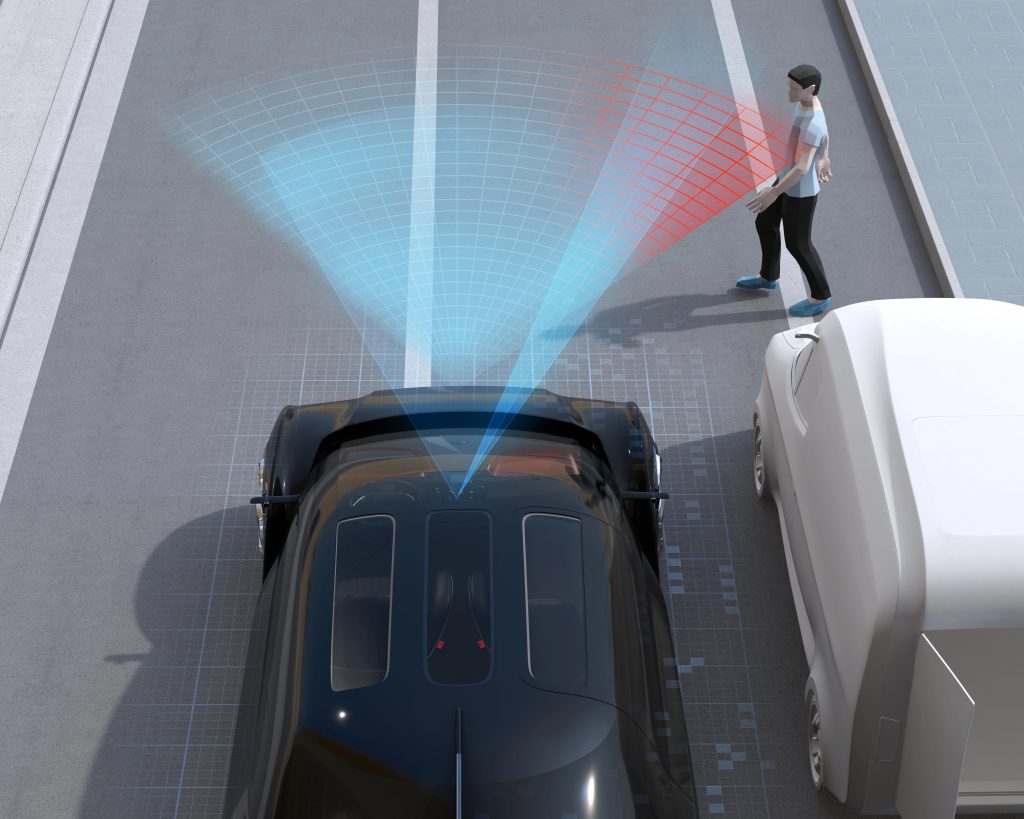
Pedestrian Detection
One of the most important safety tools is Pedestrian detection, which helps identify people near the vehicle and reduce the risk of accidents. In busy urban environments, Pedestrian detection can be a critical layer of protection.
Night Vision Systems
For low-light conditions, Night vision systems enhance visibility and help drivers detect hazards that might otherwise go unnoticed.
Electronic Stability Control
Electronic Stability Control helps maintain traction and stability during sudden maneuvers or poor road conditions. In many cases, Electronic Stability Control works alongside braking systems to prevent skidding or rollovers.
Examples of ADAS in real vehicles
You’ll find car ADAS in a wide range of vehicles today, from passenger cars to heavy-duty trucks. Manufacturers are integrating these technologies to improve safety and meet industry standards.
In fleet environments:
- Long-haul trucks use adaptive speed and braking systems
- Delivery vehicles rely on parking and visibility tools
- Service fleets benefit from driver alerts and monitoring systems
These real-world applications highlight how ADAS is transforming transportation. As ADAS technology continues to evolve, it is also paving the way for Autonomous Vehicles and more advanced forms of autonomous driving.
Benefits of ADAS technology in fleet management
For fleet owners, ADAS offers more than just safety improvements. They deliver measurable business value.
Fewer accidents
With tools like collision avoidance and lane alerts, fleets can significantly reduce incident rates.
Lower insurance costs
Safer operations often lead to reduced premiums and fewer claims.
Improved driver performance
Many driver assistance systems encourage better habits and reduce risky behavior.
Operational efficiency
Fewer accidents mean less downtime and more consistent delivery schedules.
By implementing an ADAS, fleets gain better control over both safety and performance.
Limitations and challenges of ADAS
While ADAS offers clear advantages, it’s not without challenges.
Environmental limitations
Weather conditions like heavy rain or fog can impact sensor performance.
Driver overreliance
Some drivers may depend too heavily on the technology instead of staying alert.
Upfront investment
Equipping a fleet with advanced systems requires initial capital.
Why ADAS matters for drivers and fleet owners
At its core, ADAS is about reducing risk and improving outcomes. If you’re still asking what ADAS is, the answer is simple. It’s a smarter way to protect drivers, vehicles, and your business.
For drivers, it reduces stress and fatigue. For fleet owners, it provides better oversight and fewer costly incidents.
As the industry moves toward Autonomous Vehicles, the role of driver assistance systems will only continue to grow. Many of today’s features are already laying the groundwork for full autonomous driving in the future.
How ADAS helps reduce fleet costs
ADAS contributes to cost savings in several ways:
- Reduced accident-related expenses
- Improved fuel efficiency through smoother driving
- Lower insurance premiums
- Less vehicle downtime
Beyond these immediate savings, ADAS also helps fleets take a more proactive approach to cost control. Instead of reacting to accidents after they happen, fleet managers can use data from ADAS-enabled systems to identify risky driving behaviors early and correct them through coaching or training, reducing repeat incidents and creating long-term behavioral improvements across your driver base.
Another major cost advantage comes from maintenance. Safer driving habits, such as smoother braking and better following distances, reduce wear and tear on critical components like brakes, tires, and transmissions. Over time, this extends the lifespan of your vehicles and lowers maintenance costs.
ADAS can also improve operational predictability. Fewer disruptions from accidents mean more reliable delivery schedules, better customer satisfaction, and less need for backup vehicles or emergency rescheduling. For fleets operating on tight margins, that level of consistency can make a meaningful difference.
When you combine safety improvements with reduced repairs, lower insurance exposure, and better vehicle longevity, ADAS becomes more than a safety investment. It becomes a powerful tool for controlling and reducing overall fleet costs.
ADAS is no longer a luxury feature. It has become a practical, necessary tool for improving safety and efficiency across the transportation industry.
Understanding the ADAS meaning and how it fits into your fleet strategy can help you make smarter decisions and stay competitive. Whether you operate a small service fleet or a large trucking operation, the right systems can lead to safer roads and stronger performance.
FAQs
What is ADAS?
ADAS are technologies that help drivers operate vehicles more safely by providing alerts or automatic responses to potential hazards.
How do ADAS work in vehicles?
An ADAS uses cameras, sensors, and software to monitor surroundings and assist the driver in real time.
What is included in an ADAS?
Typical systems include features like lane warnings, braking assistance, and monitoring tools that improve safety and awareness.
Can ADAS prevent car accidents?
ADAS can significantly reduce accidents by improving reaction time and awareness, but it does not eliminate risk entirely.
Is ADAS worth it for fleets?
Yes. For most fleets, the safety improvements and long-term cost savings make ADAS a valuable investment.