Driver safety and operational efficiency are no longer “nice-to-have” goals—they’re essential to running a profitable fleet. With rising insurance costs, stricter regulations, and increasing pressure to reduce accidents, fleets are turning to driver behavior monitoring as a core strategy. By understanding how drivers operate vehicles in real time, companies can improve safety, reduce costs, and gain a measurable competitive edge.
What Is Driver Behavior Monitoring?
Driver behavior monitoring is the process of collecting, analyzing, and acting on data related to how a driver operates a vehicle. This includes tracking patterns such as speeding, braking habits, cornering, idle time, and even signs of distraction or fatigue.
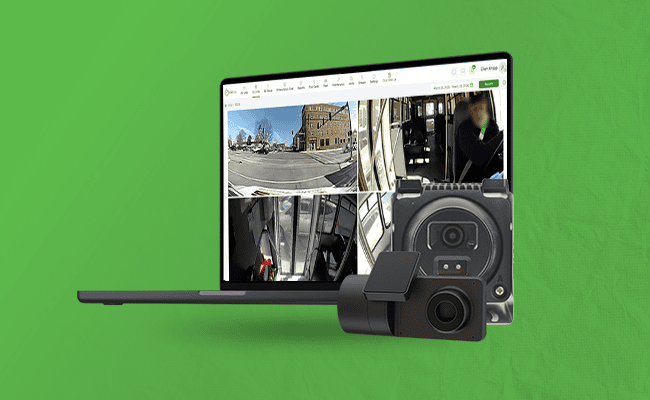
At its core, it focuses on identifying risky actions and reinforcing safe ones. It combines hardware (like GPS devices and dash cameras) with software analytics to give fleet managers a clear picture of overall behavior.
Unlike basic tracking tools, modern monitoring systems go beyond location data. They provide deep insights into driver habits, enabling proactive improvements in safety and operational efficiency.
How Driver Behavior Monitoring Works
Understanding how this system functions helps explain its value. It’s a combination of hardware, software, and analytics working together seamlessly.
Telematics and Sensor Data
Telematics devices installed in vehicles capture critical data points such as speed, acceleration, braking force, and engine performance. This telematics data forms the foundation of driver behaviour telematics, giving fleet managers a real-time view of vehicle and driver activity.
Sensors detect events like harsh braking, rapid acceleration, and sharp turns. These data points are essential for accurate driver behavior analysis, helping identify patterns that may lead to higher accident frequency.
In-Cab Devices & Mobile Apps
In-cab hardware such as dash cameras and mobile apps provide another layer of driver monitoring. These tools can deliver real-time alerts to drivers when unsafe actions occur, such as exceeding speed limits or showing signs of driver fatigue.
Mobile apps also enable drivers to review their own driver performance, creating a feedback loop that encourages safer driver behavior.
Data Collection and Processing
Once collected, data is processed using advanced algorithms and sometimes artificial intelligence to identify trends and risk factors. This enables detailed driver safety tracking and automated scoring systems.
Fleet managers can then use dashboards to review insights, track improvements, and implement targeted coaching strategies to improve fleet safety. Over time, this structured approach enhances driver performance monitoring and overall operational visibility.
Benefits of Driver Behavior Tracking

Implementing driver behavior monitoring delivers measurable benefits across safety, cost, and compliance.
Improve Safety & Reduce Accidents
The most immediate impact of driver behavior monitoring is improved safety. By identifying risky actions like speeding, distraction, or driver fatigue, fleets can intervene early and reduce incidents.
Fleets that actively use driver behaviour tracking often see significant drops in accident rates, leading to fewer injuries and less downtime.
Lower Maintenance Costs
Aggressive driving behaviors such as rapid acceleration and hard braking put stress on vehicles. Over time, this leads to higher maintenance costs and more frequent repairs.
By improving driver safety, fleets can reduce wear and tear, extend vehicle lifespan, and improve vehicle performance. Monitoring can also integrate with engine diagnostics to identify issues early.
Increase Driver Accountability
Transparency is key to improving performance. With driver behavior monitoring, drivers understand that their actions are being tracked objectively.
This encourages safer habits and reinforces accountability. Over time, consistent feedback improves driver behaviour tracking outcomes and promotes a culture of safety.
Insurance Savings
Insurance providers increasingly reward fleets that implement driver monitoring solutions. Demonstrating reduced risk through data can lead to lower premiums and better policy terms.
A strong safety program backed by driver behavior telematics is often a key factor in negotiating insurance savings.
Compliance & Legal Protection
Regulations around safety and reporting continue to evolve. Driver behavior monitoring helps fleets stay compliant by maintaining accurate records of driver activity.
In the event of an incident, data from driver monitoring systems can serve as evidence, supporting legal defense and protecting against false claims.
Key Driver Behavior Metrics You Should Track
To get the most out of vehicle monitoring, fleets need to focus on the right driver safety metrics. These include:
- Speeding and adherence to speed limits
- Frequency of harsh braking events
- Acceleration patterns
- Idling time
- Cornering behavior
- Seatbelt usage
- Signs of driver fatigue
Tracking these metrics enables better driver behaviour analysis, helping managers identify both high-risk drivers and top performers.
Driver Behavior Monitoring and Common Use Cases by Fleet Type
Different industries use this kind of monitoring in unique ways depending on their operational needs.
Trucks & Long-Haul Shipping
Long-haul fleets rely heavily on driver behavior monitoring to manage fatigue, ensure compliance, and improve fuel efficiency. Monitoring helps reduce risk during extended trips and improves overall fleet safety and fleet management.
Service Fleets
For service fleets (plumbing, HVAC, utilities), driver behavior monitoring ensures technicians drive safely between job sites. It also helps optimize routes and improve response times through integrated GPS tracking.
Ride-Hail & Delivery
High-volume delivery and ride-hail fleets depend on consistent performance. Vehicle monitoring helps maintain service quality while reducing incidents in dense urban environments.
Detailed driver tracking ensures drivers meet safety standards while maintaining efficiency.
Corporate Fleet
Corporate fleets use vehicle monitoring to protect employees and company assets. It also supports internal policies and reduces liability risks through consistent driver tracking.
The Business Value of Driver Behavior Monitoring for Fleet Owners
Beyond fleet safety, behavior monitoring delivers strong business value. It directly impacts cost control, operational efficiency, and long-term growth.
By improving driver behavior, fleets can reduce fuel consumption, minimize downtime, and enhance customer satisfaction. Better behavior behind the wheel leads to smoother operations and more reliable service delivery.
Case Studies and ROI Examples
Many fleets report a clear return on investment after implementing behavior monitoring. For example:
- A logistics company reduced accident frequency by 30% within six months
- A service fleet cut maintenance costs by 20% by reducing aggressive driving
- A delivery company improved on-time performance and reduced fuel costs
These results highlight how behaviour analysis contributes to measurable improvements in fleet performance and profitability.
How to Choose a Driver Behavior Monitoring System: Complete Checklist

Not all solutions are created equal. Choosing the right platform is critical.
1. Data accuracy
Accurate data is the backbone of effective vehicle monitoring. Look for systems that provide reliable insights without false positives.
2. Ease of use
A complex system can slow adoption. Choose a platform that is intuitive for both managers and drivers.
3. Reporting capabilities
Detailed reporting is essential for actionable insights. Your system should offer customizable dashboards and automated reports.
4. Alerts and automation
Real-time alerts help prevent incidents before they escalate, and give you a chance to provide instant driver coaching. Automation also reduces manual workload.
5. Integration with existing telematics
Your solution should integrate with your current GPS system or other tools, including fleet management software, to create a unified ecosystem.
6. Driver privacy
Balancing monitoring with privacy is critical. Ensure your system respects driver rights while maintaining accountability.
7. Compliance
Make sure the platform supports regulatory requirements and helps streamline audits.
Building a Culture Around Driver Behavior Monitoring
While technology plays a critical role, the true success of the platform depends on how it’s implemented within your organization. Fleets that see the best results don’t just deploy tools—they build a culture centered around safety, transparency, and continuous improvement.
A key step is positioning the system as a support system rather than a surveillance tool. When drivers understand that the goal is to protect them—not penalize them—they are more likely to engage with the system. Clear communication about how data is used helps reduce resistance and builds trust.
Driver coaching is another essential component. Data alone doesn’t change outcomes—action does. Managers should use insights to provide constructive feedback and targeted training. For example, if a driver shows frequent harsh braking, it may indicate following too closely or reacting late to traffic conditions. Addressing these behaviors through coaching can significantly improve safety outcomes.
Recognition also plays a powerful role. Rewarding drivers who demonstrate safe driver behavior reinforces positive habits and motivates others to improve. Many fleets implement scorecards or incentive programs tied to performance metrics, creating healthy competition and boosting morale.
Consistency is equally important. A one-time rollout won’t deliver lasting results. Successful fleets continuously review data, refine policies, and adapt their approach as new insights emerge. Over time, this leads to sustained improvements in both safety and efficiency.
Ultimately, behind-the-wheel monitoring becomes more than just a tool—it becomes part of your operational DNA. By combining technology with strong leadership and clear communication, fleets can create safer roads, more confident drivers, and stronger business performance.
Driver behavior monitoring has become an essential component of modern fleet operations. By leveraging data and technology, fleets can reduce risk, improve efficiency, and create a safer working environment.
From lowering costs to helping risk management, the benefits are clear. As technology continues to evolve, adopting these kinds of systems is no longer optional—it’s a strategic necessity for any fleet looking to stay competitive.
FAQs
What’s the difference between driver tracking and telematics?
Driver tracking focuses specifically on how a driver behaves behind the wheel, while telematics captures broader vehicle data such as location and performance. Together, they provide a complete view of operations.
How does driver behavior monitoring improve safety?
By identifying risky actions like speeding, distraction, and fatigue, driver behavior monitoring allows fleets to intervene early, coach drivers, and reduce incidents.
Is driver tracking legal?
Yes, in most regions driver tracking is legal, provided companies follow privacy laws and inform drivers about data collection practices.
How to track driving behavior
Fleets track behavior using telematics devices, dash cameras, and analytics platforms. These tools collect and analyze data to provide actionable insights for safer operations.