There’s never been more pressure on trucking companies to prioritize safety. The rise of nuclear verdicts and false accusations has necessitated trucking companies beefing up their safety protocols and technology.
In this environment, video telematics have become the go-to solution for protecting drivers, minimizing risk, and increasing overall safety.
If you’ve ever asked yourself “What is video telematics?,” or wondered how it works, or why so many fleets are investing in it, this guide will walk you through everything you need to know.
What is video telematics?
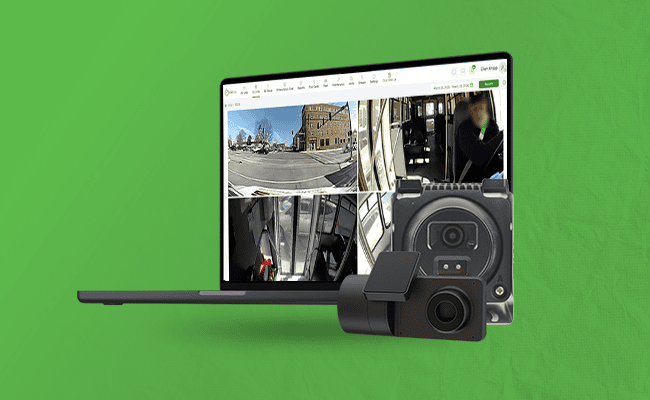
For those looking for video telematics explained, it’s the integration of data and video that delivers both insight and context in one system. Video telematics is a safety solution created specifically for fleets, combining traditional telematics data (GPS, truck diagnostics, etc) with vehicle-installed cameras to provide fleet managers or owners with a complete view of what’s happening on the road.
Integrating camera-based recording with vehicle diagnostics and driving analytics gives fleets visual context to the insights they receive. Rather than just relying on raw numbers to help you make decisions, managers can see exactly what happened before, during, and after a recorded driving event.
How video telematics work
To really gain an understanding of what video telematics are, it’s important to have some understanding of how the technology operates behind the scenes. From a birdseye view, the system uses cameras, sensors, and cloud software to capture driving events, analyze them, and get insights to managers in real time.
Hardware components
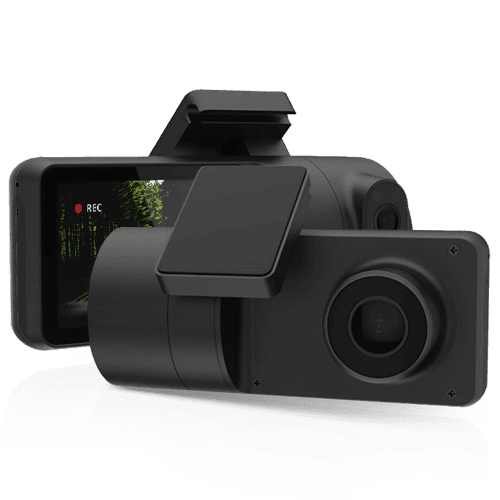
The hardware component is what is set up inside the vehicle. Most setups include at least one dual-facing camera that records the road, with the option of recording inside the cabin. These cameras also typically include GPS capabilities, motion sensors, and AI detection.
A Video telematics system captures HD video and is designed to record continuously when a specific event is triggered. This can include driving events such as harsh braking, sharp turns, or collisions.
Additionally, they often come equipped with infrared or night vision capabilities to ensure clear video footage even in low-light conditions. Most fleets nowadays operate 24/7, meaning that having access to clear video at all times becomes a necessity.
Software & data processing
Advanced platforms use AI and machine learning to analyze events automatically. Artificial intelligence can detect risky behaviors such as distracted driving, following too closely, lane drifting, or mobile phone usage.
This AI technology processes data and flags only relevant safety events, helping reduce manual review time for fleet managers.
Real-time alerts and notifications
When risky driving behavior occurs, such as hard braking or rapid acceleration, your system sends your managers instant notifications. Immediately receiving this feedback helps correct unsafe driving in the moment, saving your business from potential violations or harmful incidents.
Core features of video telematics systems
Modern systems offer far more than just recording capabilities, giving you useful insights alongside footage to get a full understanding of incidents on the road.
Event-triggered recording
Getting an alert, accompanied by HD footage of the incident, helps managers respond quickly and take action to correct unsafe driving or provide assistance to drivers if an accident occurs.
Dual-facing cameras
Equipping trucks with a dash camera that can record the road and the cabin simultaneously gives managers an added layer of context, while also helping to keep drivers accountable. Most video telematics platforms also have the option of turning off the cabin-facing camera, if necessary.
AI-based driver behavior detection
AI-enhanced cameras automatically detect unsafe driving habits such as smoking, eating, phone use, or other forms of distracted driving. The system will also send managers an instant notification and recording, helping them track driver safety and take action to help drivers improve.
Cloud-based storage
Video footage and driving data are automatically uploaded and stored on the cloud, making it easy to access footage from a centralized video telematics dashboard. Managers can review events and download clips when necessary, getting valuable context for all incidents.
GPS tracking
Integrated GPS location tracking allows managers to view precise vehicle location alongside recorded footage. By pairing route history with video, managers can verify routes and quickly reconstruct incidents with accurate, time-stamped location data.
Video Telematics vs Traditional Telematics
Traditional telematics systems are still useful for collecting data such as speed, location, truck diagnostics, and much more, but the lack of visual context limits their ability to get the full picture.
A harsh braking event, for example, would simply be viewed as a data point on a traditional telematics system. However, with a video telematics system, these same events are bundled with video evidence that can show you the context: Perhaps the driver was cut off by another vehicle, forcing them to brake harshly.
Traditional telematics will support fleet management at a basic level, but the added video element elevates your fleet safety program by adding visual clarity to every event.
Benefits of video telematics
Some advantages for your business include safety, cost control, compliance, and overall performance improvements. Let’s dive deeper into each of these benefits and how they can positively affect your fleet.
Driver safety & risk reduction
Proactively addressing unsafe driving habits is one of the best ways to avoid costly accidents. Video telematics systems give you the tools you need to provide real-time feedback via instant alerts.
Studies across the industry are pretty clear: Drivers tend to modify their behavior when they know driving events are being recorded. That level of accountability alone leads to measurable safety improvements over time.
Insurance advantages
The rising cost of insurance is no secret for trucking companies today—so finding ways to save has become a priority for companies of all sizes. Insurance companies covet video telematics because having documented evidence during accidents can significantly speed up investigations and reduce fraudulent claims.
Clear, high definition footage plays a crucial role in proving fault, helping control legal costs and may even reduce insurance premiums over time.
Additionally, insurance companies have been known to provide up to 15% discounts for trucking companies that are equipped with video telematics.
Operational efficiency
Beyond safety, video telematics enhances fleet operations by tracking data that managers can use to optimize routes, reduce idle time, and monitor dispatch efficiency. Video telematics help confirm these data points—allowing managers to use footage to better understand why inefficiencies occur on the road.
For example, the data may point to a certain route with heavy delays on a particular day of the week. Video footage may confirm that there are baseball games played at the time your trucks are in the area, causing an unforeseen increase in traffic. Using this information, managers can adjust routes on that day to maximize the time their trucks spend on the road.
Driver coaching & performance
Video telematics supports structured coaching programs by providing objective examples of driving behavior. Managers can review incidents with drivers and offer constructive guidance backed by footage.
Instead of subjective conversations, coaching sessions are based on facts. Over time, this improves driver performance and creates a culture of accountability for drivers and managers alike.
Compliance benefits
The trucking industry faces various strict regulatory requirements, specifically around safety and reporting.
Video telematics simplifies compliance by automatically documenting incidents and maintaining time-stamped records. In the event of audits or investigations, fleets have immediate access to supporting documentation.
Fraud and false claim prevention

False claims and staged accidents cost fleets millions of dollars annually. In fact, nuclear verdicts increased in 2024 and fleets were forced to pay out hundreds of millions of dollars after a lawsuit.
Fleets equipped with video telematics are positioned to better deal with these fraudulent allegations. Video offers unbiased documentation of events, often leading to driver exonerations.
However, this protection also extends beyond accidents, as it can also resolve disputes over service quality or on-site interactions that can occur.
How video telematics helps reduce fleet costs
Investing in this technology may seem like an added expense, but in many cases, it pays for itself quickly with:
- Improved safety on the road, leading to fewer collisions
- Clear evidence helping avoid long, drawn-out lawsuits caused by false allegations
- Reduced insurance claims and potential premium stabilization
- Lower fuel costs through optimized driving
- Decreased vehicle wear and tear
Even modest improvements in driver habits can lead to significant cost savings when multiplied across dozens or hundreds of fleet vehicles.
Choosing the right video telematics solution: What to look for
Not all providers are created equal and selecting the right solution requires careful evaluation.
Camera Quality (1080p, Night Vision)
Look for dash cams that record in 1080p resolution at minimum.
Clear, high-definition video is essential for identifying license plates, traffic signals, and other critical details. Night vision capabilities are equally important for fleets operating after dark.
AI Analytics Capabilities
Modern video telematics should include artificial intelligence that detects risky behaviors automatically.
Systems using AI can identify distraction, fatigue, tailgating, and unsafe lane changes, without requiring manual monitoring.
Cloud Storage vs On-Device Storage
Cloud storage provides remote access and automatic backups, which is ideal for growing fleets. On-device storage may be more limited and requires physical retrieval in some cases. Most advanced video telematics platforms now offer scalable cloud options.
Connectivity Reliability
Consistent connectivity ensures events are uploaded promptly. Look for systems with strong LTE or 5G capabilities and fallback mechanisms to prevent data loss.
Integration with GPS Tracking
A quality solution should integrate seamlessly with existing GPS tools.
When GPS and video work together, managers gain full visibility into routes, driver actions, and vehicle location in a single dashboard.
Want to try a video telematics system? Request a demo of GPSTab today
See how video telematics works in real-world fleet operations with GPSTab. GPSTab’s solution combines smart dash cams, GPS, and AI-powered insights to help fleets improve safety, reduce risk, and gain full visibility into driver behavior—all from one easy-to-use platform.
Request a demo to see how GPSTab can help you protect your drivers, defend against false claims, and run a safer, more efficient fleet with confidence.
FAQs
What Is Video Telematics?
When looking at the video telematics meaning, it refers to the integration of camera footage with driving and vehicle data to deliver greater visibility, accountability, and safety for fleets.
Is video telematics worth the cost?
For most fleets, yes. By reducing accidents, lowering insurance costs, preventing fraud, and improving driver performance, this technology often delivers a strong return on investment.
Can video telematics prevent accidents?
While no system can eliminate accidents entirely, you can significantly reduce risk by improving driver behavior, enabling proactive coaching, and delivering instant alerts that correct unsafe actions before they escalate.