A roadside inspection can turn an ordinary trip into a costly delay if a driver is missing documentation or a vehicle has a safety defect. Understanding DOT inspection levels helps drivers and fleet managers know what inspectors may examine and how to prepare. From a comprehensive Level 1 inspection to specialized Level 6 inspections, each inspection serves a different purpose. This guide explains the levels of DOT inspections, what drivers should expect, and how to use a practical DOT inspection checklist before every trip.
What Is a DOT Inspection?
So, what is a DOT inspection? A Department of Transportation inspection is a systematic examination of a commercial motor vehicle (CMV) and/or its driver to determine whether they meet applicable safety requirements. Roadside inspections are conducted under the North American Standard Inspection Program developed through the Commercial Vehicle Safety Alliance (CVSA).
Inspectors may examine driver credentials, hours-of-service records, vehicle components, cargo securement, and other safety-related items. The inspection level determines how comprehensive the examination will be.
The most commonly performed comprehensive inspection is the Level 1 inspection. In 2025, CVSA reported more than 30,000 Level 1 inspections during its International Roadcheck event, demonstrating how frequently this inspection is used.
What Are the DOT Inspection Levels?
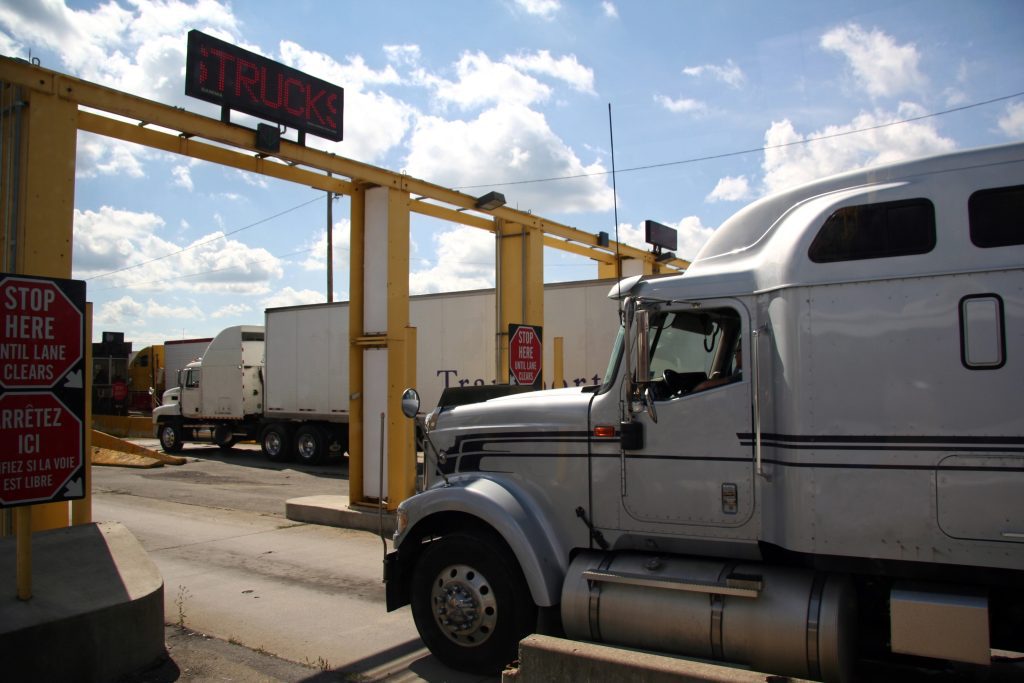
When researching what are the levels of DOT inspections, it is important to understand that each level has a specific scope. The six primary levels are:
- Level 1: North American Standard Inspection
- Level 2: Walk-Around Inspection
- Level 3: Driver-Only Inspection
- Level 4: Special Inspection
- Level 5: Vehicle-Only Inspection
- Level 6: Enhanced Inspection for certain radioactive shipments
FMCSA describes Levels 1 through 6 in its inspection materials, while CVSA and jurisdictions may also use additional inspection procedures in certain circumstances.
Level 1 DOT Inspection: North American Standard Inspection
A Level 1 inspection is the most comprehensive roadside inspection. It examines both the driver and vehicle and follows a 37-step procedure.
What Does a Level 1 DOT Inspection Check?
A Level 1 inspection can cover:
- Driver’s license and required credentials
- Medical certification and applicable SPE certificate
- Record of duty status and hours of service
- Seat belt use
- Vehicle inspection reports
- Brake systems
- Cargo securement
- Coupling devices
- Driveline and driveshaft
- Exhaust and fuel systems
- Frame
- Lighting
- Steering and suspension
- Tires, wheels, rims, and hubs
- Windshield and wipers
- Trailer body
- Hazardous-material requirements, when applicable
The inspection also includes checks such as brake adjustment, air loss, steering wheel lash, fifth-wheel movement, and tractor protection systems.
What Should Drivers Have Ready for a Level 1 Inspection?
Drivers should keep required credentials and records organized and readily accessible. This can include a valid commercial driver’s license, medical certification when applicable, record of duty status, vehicle inspection documentation, and shipping or hazardous-material documents when required.
Drivers should also know how to explain their vehicle’s condition and quickly locate required documentation. Organization can make an inspection more efficient and reduce the risk of preventable paperwork issues.
How Long Does a Level 1 DOT Inspection Take?
The answer to how long does a dot inspection take depends on the vehicle, inspection site, documentation, and whether problems are discovered. A Level 1 inspection is substantially more thorough than a quick roadside check, so drivers should expect it to take longer than a limited inspection.
Level 2 DOT Inspection: Walk-Around Inspection
A Level 2 inspection examines the driver and vehicle but focuses on items that can be inspected without the inspector physically getting underneath the vehicle.
What Does a Level 2 Inspection Check?
A Level 2 inspection can include driver credentials, hours of service, seat belt use, vehicle inspection reports, brakes, cargo securement, coupling devices, lights, steering, suspension, tires, wheels, rims, windshield wipers, and other applicable components.
Level 1 vs. Level 2 DOT Inspection
The primary difference between these DOT inspection levels is the scope of the vehicle examination. Level 1 is a comprehensive inspection that includes areas requiring an inspector to physically examine components underneath the vehicle. Level 2 is a walk-around inspection limited to items that can be examined without going underneath.
Level 3 DOT Inspection: Driver-Only Inspection
A Level 3 inspection focuses exclusively on the driver and applicable credentials and records. FMCSA identifies it as a Driver/Credential/Administrative Inspection.
What Is Checked During a Level 3 Inspection?
Inspectors may review:
- Commercial driver’s license
- Medical certification and applicable SPE certificate
- Record of duty status
- Hours of service
- Seat belt use
- Vehicle inspection reports
- Motor carrier identification and status
- Applicable hazardous-material requirements
A Level 3 inspection can therefore identify compliance problems even when the vehicle itself is not being mechanically inspected.
Level 2 vs. Level 3 DOT Inspection
The difference is straightforward: Level 2 examines both the driver and vehicle, while Level 3 is focused on driver credentials, records, and administrative requirements. Understanding these DOT inspection levels helps drivers prepare for either type of roadside examination.
Level 4 DOT Inspection: Special Inspection
Level 4 is a special inspection that typically examines one particular item. According to FMCSA, these inspections are generally conducted to support a study or confirm or refute a suspected safety trend.
Unlike a Level 1 inspection, a Level 4 inspection is not designed to comprehensively examine every major driver and vehicle component.
Level 5 DOT Inspection: Vehicle-Only Inspection
A Level 5 inspection focuses on the vehicle without the driver present. It includes the vehicle inspection items associated with a Level 1 inspection and can be conducted at any location.
This means a motor carrier cannot assume that an absent driver means the vehicle will not be inspected. Fleet maintenance programs should keep every truck ready for inspection regardless of where it is parked.
Level 6 DOT Inspection: Enhanced Inspection for Radioactive Shipments
Level 6 is designed for select shipments involving radioactive materials. It adds radiological inspection procedures and applicable requirements to the North American Standard Level 1 process. It applies specifically to certain Highway Route Controlled Quantities of radioactive material and transuranic waste shipments.
Because these shipments have specialized safety requirements, Level 6 inspections are performed by appropriately qualified inspectors.
DOT Inspection Checklist: What Drivers Should Check Before a Roadside Inspection
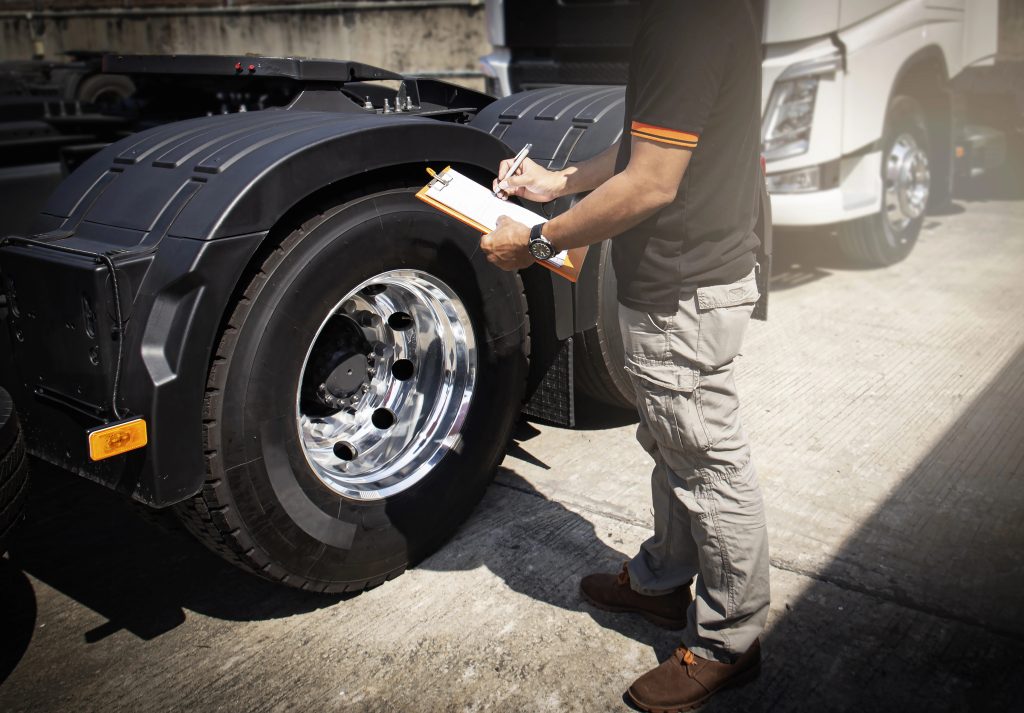
A thorough DOT inspection checklist should be part of a driver’s normal pre-trip routine. Federal regulations require drivers to be satisfied that a vehicle is in safe operating condition before driving it. A practical checklist can help identify defects before they become roadside inspection violations.
Driver Documents Checklist
- Commercial driver’s license is valid and appropriate for the vehicle
- Medical certification is current when required
- Record of duty status is accurate and current
- Hours-of-service requirements are being followed
- Required vehicle inspection reports are available
- Shipping papers are present when applicable
- Hazardous-material documentation and placards are correct when applicable
- Seat belt is functional and used properly
Brake System Checklist
- Air lines and brake components show no obvious damage
- Brake hoses are secure and free of significant defects
- Brake adjustment appears appropriate
- Air pressure builds properly
- No unusual air leaks are present
- Required brake warning systems function properly
- Tractor protection system operates correctly
Tire, Wheel and Rim Checklist
- Tires have adequate tread
- Tire inflation is appropriate
- No major cuts, bulges, or exposed cords are visible
- Wheels and rims are free of significant cracks or damage
- Lug nuts appear secure
- Hubs show no obvious signs of leakage or damage
Lights and Electrical Checklist
- Headlamps work
- Brake lights work
- Turn signals work
- Clearance and marker lights work
- Reflectors are present and visible
- Electrical wiring is secure and undamaged
Steering and Suspension Checklist
- Steering components show no obvious damage
- Suspension components are secure
- Springs and mounting components appear intact
- No unusual movement or looseness is present
- Frame has no obvious cracks or damage
Coupling and Trailer Checklist
- Fifth wheel is properly locked
- Kingpin and locking jaws are secure
- Safety devices are connected
- Air and electrical lines are properly connected
- Trailer doors latch securely
- Trailer body has no major structural defects
Visibility and Cab Checklist
- Windshield is clean and unobstructed
- Wipers function properly
- Mirrors are properly positioned
- Horn works
- Seat belt functions correctly
- Emergency equipment is available when required
Cargo and Hazmat Checklist
- Cargo is properly distributed
- Tie-downs and securement devices are in good condition
- Cargo cannot shift during transit
- Required placards are displayed
- Shipping documentation is accurate
- Hazardous materials are secured according to applicable requirements
DOT Inspection Checklist: Quick Pre-Trip Version
For busy operations, a shorter DOT inspection checklist can be used immediately before departure.
Exterior
- Check tires, wheels, lights, mirrors, trailer, and cargo
- Look for leaks, damage, loose components, and missing equipment
Under the Hood / Mechanical
- Check fluid levels and visible leaks
- Inspect belts, hoses, steering components, and engine-area connections
Inside the Cab
- Confirm ELD and records are functioning
- Check gauges, warning lights, horn, wipers, mirrors, and seat belt
- Confirm required documents are available
Common DOT Inspection Violations to Watch For
Common roadside inspection problems include brake defects, tire issues, lighting violations, cargo securement problems, defective coupling components, hours-of-service violations, and documentation issues.
CVSA’s 2025 International Roadcheck results illustrate how significant these issues can be: 24.2% of Level 1 inspections resulted in vehicles being placed out of service, compared with 20.9% for Level 2 inspections.
Why Small Defects Can Become Big Problems
A burned-out light or damaged tire might appear minor, but safety defects can contribute to larger violations or an out-of-service condition. Regular inspections give drivers an opportunity to identify problems while the vehicle is still at the terminal instead of discovering them at a roadside inspection.
What Happens If You Fail a DOT Inspection?
The consequences depend on the violations discovered. A driver or vehicle can receive violations, and serious defects may result in an out-of-service order that prevents continued operation until the condition is corrected.
Inspection results are also recorded in federal safety databases and can contribute to a carrier’s overall safety profile.
The best strategy is prevention. Drivers should report defects promptly, and fleet managers should have a documented process for correcting maintenance issues before trucks return to service.
How Fleet Technology Can Help Prevent DOT Inspection Problems
Technology cannot replace a physical pre-trip inspection, but it can help fleets identify issues earlier. Electronic logging devices can help monitor hours-of-service compliance and maintain accurate records. GPS tracking can provide visibility into vehicle locations and fleet activity.
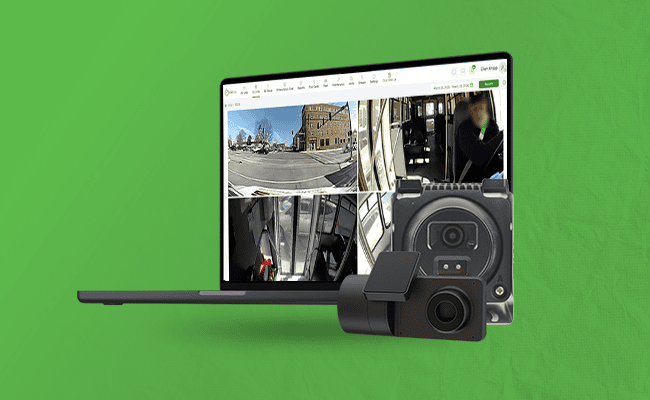
Video telematics can also provide insight into driving behavior and events that may indicate a need for coaching. Maintenance workflows can help fleet managers track reported defects, assign repairs, and document completed work.
For fleets managing multiple vehicles, combining driver inspections with automated fleet data can make safety management more consistent. Technology is most effective when it supports—not replaces—the driver’s responsibility to inspect the vehicle.
Keep Your Fleet Ready for the Next DOT Inspection
Being prepared for DOT truck inspections should not be a once-a-year exercise. Drivers should perform thorough pre-trip inspections every day, while fleet managers should maintain preventive maintenance programs and ensure required records are current.
Understanding the different levels of DOT inspections also helps fleets train drivers more effectively. A driver who knows the difference between a comprehensive Level 1 inspection and a driver-only Level 3 inspection is better prepared to respond confidently when an inspector approaches.
Final Thoughts
Knowing what is a DOT inspection and understanding the various inspection requirements gives drivers and fleet managers a practical advantage. The goal is not simply to pass an inspection—it is to keep commercial vehicles, drivers, and everyone else on the road safer.
A consistent pre-trip routine, accurate documentation, preventive maintenance, and effective fleet technology can reduce avoidable problems. When these practices become part of everyday operations, DOT truck inspections become less of a surprise and more of a normal part of responsible fleet management.
FAQs
What is a DOT inspection?
A DOT inspection is an examination of a commercial motor vehicle, its driver, or both to determine compliance with applicable safety requirements. Inspections can range from a comprehensive Level 1 examination to specialized inspections with a much narrower scope.
What are the six levels of DOT inspections?
The six primary DOT inspection levels are Level 1 North American Standard, Level 2 Walk-Around, Level 3 Driver-Only, Level 4 Special, Level 5 Vehicle-Only, and Level 6 Enhanced Inspection for certain radioactive-material shipments.
How long does a DOT inspection take?
There is no single standard duration. A Level 1 inspection is more comprehensive than a Level 2 or Level 3 inspection, and the time required can vary depending on the vehicle, documentation, inspection site, and any violations discovered.
How can I prepare for a DOT inspection?
Use a daily DOT checklist covering driver documents, hours of service, brakes, tires, wheels, lights, steering, suspension, coupling equipment, cargo, and visibility. Complete the inspection before departure and report or repair defects promptly.
Knowing the levels of DOT inspections is only the first step. The most effective preparation is making vehicle inspections, preventive maintenance, accurate records, and driver compliance part of the fleet’s everyday routine.