Every safe trip begins before the engine starts. A thorough pre-trip inspection helps truck drivers identify mechanical problems, prevent roadside breakdowns, and stay compliant with federal regulations. Whether you’re a new CDL holder or an experienced driver, following a consistent pre-trip inspection checklist reduces the risk of costly repairs, out-of-service violations, and accidents.
This guide explains what is a pre-trip inspection, why it matters, and provides a step-by-step pre-trip inspection checklist covering every major component of a commercial truck.
What Is a Pre-Trip Inspection?
A pre-trip inspection is a systematic inspection of a commercial vehicle performed before driving. Its purpose is to verify that critical safety systems are operating correctly and that the vehicle is safe for the road.
Every truck pre-trip inspection should include a visual walk-around as well as functional tests of important components such as the brakes, steering, lights, tires, suspension, and trailer connections. Drivers also document any defects that require maintenance before the vehicle is operated.
Using a standardized pre-trip inspection checklist ensures that nothing is overlooked and creates a repeatable process that promotes consistency across an entire fleet.
Why Pre-Trip Inspections Are Important
Commercial trucks operate under demanding conditions every day. Small mechanical issues can quickly become serious safety hazards if they go unnoticed.
Performing a thorough pre-trip inspection helps drivers:
- Identify safety defects before leaving the yard.
- Reduce roadside breakdowns.
- Prevent costly repairs by catching problems early.
- Improve CSA scores by avoiding preventable violations.
- Reduce the likelihood of accidents caused by equipment failure.
- Protect drivers, cargo, and the public.
For fleet managers, consistent inspections also reduce maintenance costs by identifying wear before components fail. Preventative maintenance almost always costs less than emergency repairs or towing services.
Perhaps most importantly, inspections help ensure compliance with federal regulations established for every motor carrier operating commercial vehicles.
Are Pre-Trip Inspections Required by DOT?
Yes. Federal regulations require commercial drivers to inspect their vehicles before operating them.
A proper DOT pre-trip inspection helps verify that safety-critical systems are functioning properly before the truck enters public roadways. Drivers are responsible for identifying defects that could affect safe operation and reporting them before beginning a trip.
Many fleets use a standardized DOT pre-trip inspection checklist to ensure drivers inspect the same components every day. Electronic inspection forms have become increasingly common because they simplify documentation and improve accountability.
Complete Pre-Trip Inspection Checklist for Truck Drivers
Following a comprehensive pre-trip inspection checklist helps ensure every major component is inspected before departure.
Engine Compartment Inspection
Start with the Engine compartment while the engine is off.
Inspect:
- engine oil level
- Coolant level
- Belts for cracks or excessive wear
- Hoses for leaks
- Air Compressor mounting and operation
- Alternator
- Water pump
Inspect all Rubber Parts for cracking, brittleness, or leaks. Also examine Metal Parts for loose mounting bolts, corrosion, or damage.
Fluid leaks underneath the engine should always be investigated before driving.
Front of Vehicle Inspection
Move to the front of the truck.
Inspect:
- Headlights
- High beams
- Turn signals
- Clearance lights
- Reflectors
- License plate
- Hood latches
- Grille
Verify the windshield wipers operate correctly and inspect the windshield for chips or cracks that could obstruct visibility.
Steering System Inspection
The steering system should respond smoothly without excessive play.
Inspect:
- Steering gearbox
- Linkages
- Drag link
- Pitman arm
- Steering column
Check Power Steering fluid levels and inspect hoses for leaks.
Any excessive movement or unusual noises should be repaired immediately before operating the vehicle.
Front Suspension Inspection
Inspect the front suspension carefully.
Check:
- Leaf springs
- Spring hangers
- U-bolts
- Shock absorbers
- Torque arms
Look for broken, shifted, cracked, or missing components that could affect vehicle stability.
Brake System Inspection
A properly functioning Brake system is one of the most important parts of every pre-trip inspection.
Inspect:
- Brake drums
- Brake linings
- Brake hoses
- Slack adjusters
- Brake Chamber
- Air lines
Ensure each Brake Chamber is securely mounted and shows no signs of damage or air leaks.
Also verify the Air Compressor builds pressure normally before continuing the inspection.
Tire and Wheel Inspection
Inspect every tire carefully.
Check:
- Proper inflation
- Adequate tread depth
- Sidewall damage
- Cuts or bulges
Inspect:
- Lug nuts
- Wheel rims
- Valve Stem
- Hub Seal
A leaking Hub Seal may indicate wheel bearing problems that require immediate maintenance.
Fuel System Inspection
Inspect the fuel system for leaks or damage.
Check:
- Fuel tank mounting
- Fuel cap
- Fuel lines
Any leaking fuel presents both a safety hazard and an environmental concern.
Side of Truck Inspection
Walk along both sides of the truck.
Inspect:
- Mirrors
- Doors
- Steps
- Battery box
- Exhaust system
- Frame rails
- Mud flaps
Look underneath the vehicle for fluid leaks, hanging wires, or damaged components.
Coupling System Inspection (Tractor-Trailer)
The coupling system connects the tractor to the trailer and must be inspected thoroughly.
Check:
- Fifth wheel
- Release arm
- Kingpin
- Locking jaws
- Apron
- Safety latch
Inspect all coupling devices for excessive wear, cracks, or improper engagement.
Improper coupling is one of the most dangerous conditions a driver can encounter.
Trailer Inspection
Continue your inspection around the trailer.
Check:
- Trailer lights
- Reflective tape
- Roof
- Side panels
- Cargo securement
- Doors
- Hinges
Inspect the landing gear to ensure it is fully raised, properly secured, and free from damage.
Rear of Vehicle Inspection
Move to the rear of the trailer.
Verify:
- Brake lights
- Turn signals
- Reverse lights (if equipped)
- Reflectors
- ICC bumper
- License plate
Ensure the trailer doors close securely and locking mechanisms function properly.
In-Cab Inspection
Before driving, inspect the cab thoroughly.
Check:
- Seat belt
- Mirrors
- Horn
- Heater
- Defroster
- Dashboard warning lights
Verify all air gauges are functioning properly and confirm sufficient air pressure has built before moving the vehicle.
Inspect all required emergency equipment, including:
- Fire extinguisher
- Warning triangles
- Spare fuses (if applicable)
Every driver should know where their emergency equipment is located before starting a trip.
Air Brake Test Procedure
Drivers operating air brake-equipped vehicles should perform a complete brake test before departure.
The procedure generally includes:
- Build full air pressure.
- Turn the engine off.
- Release the parking brakes.
- Monitor air pressure loss.
- Verify the low-air warning activates.
- Confirm spring brakes engage automatically.
- Test the service brakes while moving slowly.
Completing this test helps verify the braking system is functioning properly before entering traffic.
CDL Pre-Trip Inspection Checklist Explained

Passing the CDL pre-trip inspection is one of the most important parts of earning a commercial driver’s license. Examiners evaluate whether applicants can identify critical vehicle components, explain what they are inspecting, and recognize conditions that would make the vehicle unsafe to operate.
A comprehensive CDL pre-trip inspection checklist teaches drivers to inspect the vehicle in a logical order, reducing the chance of overlooking important items. While every state may administer the skills test slightly differently, the inspection process generally covers the same major systems, including the engine, steering, suspension, brakes, tires, lights, trailer, and in-cab controls.
Learning a consistent routine not only helps drivers pass the exam but also builds habits that improve safety throughout their careers.
DOT Pre-Trip Inspection Requirements
Commercial drivers have a legal responsibility to ensure their vehicles are safe to operate before every trip. While a pre-trip inspection is considered a best practice, it is also a key part of maintaining compliance with federal safety regulations.
Drivers should follow a standardized commercial vehicle pre-trip inspection checklist that covers all major vehicle systems, including brakes, steering, tires, lights, suspension, coupling components, and safety equipment. Completing the same inspection before each trip reduces the likelihood of missing critical defects and creates consistency across an entire fleet.
Although inspection procedures may vary slightly between fleets, the objective remains the same: identify safety-related issues before the vehicle enters service.
FMCSA Inspection Requirements
The Federal Motor Carrier Safety Administration (FMCSA) requires commercial drivers and fleet operators to ensure vehicles are in safe operating condition before they are driven on public roads.
Drivers must inspect equipment that could affect the safe operation of the vehicle, including:
- Brakes and air brake components
- Steering system
- Tires and wheels
- Lights and reflectors
- Mirrors
- Horn
- Windshield
- Coupling equipment
- Emergency safety equipment
Establishing documented inspection procedures helps every motor carrier demonstrate a commitment to safety while reducing maintenance costs and avoiding out-of-service violations.
Driver Vehicle Inspection Responsibilities
Drivers are the first line of defense against equipment failures. A careful inspection before every trip helps identify problems that maintenance personnel may not have seen after the previous shift.
If defects are discovered during the inspection, they should be documented on a vehicle inspection report and reported immediately so repairs can be completed before the truck is dispatched.
Many fleets have replaced paper forms with electronic Driver Vehicle Inspection Reports, allowing drivers to complete inspections on a mobile device while instantly notifying maintenance teams of any issues. Digital reporting improves accountability, simplifies recordkeeping, and helps fleets respond to safety concerns faster.
What Happens If You Skip a Pre-Trip Inspection?
Skipping a pre-trip inspection may save a few minutes, but it can lead to significant consequences.
Potential outcomes include:
- Roadside breakdowns
- DOT violations
- Out-of-service orders
- Increased CSA scores
- Costly repairs
- Cargo delays
- Increased accident risk
Even a small issue, such as a damaged air hose or loose wheel component, can become a serious safety hazard if it isn’t identified before leaving the yard. Consistently following a thorough inspection routine protects both drivers and the public while helping fleets avoid unnecessary downtime.
Common Problems Found During a Pre-Trip Inspection
A consistent inspection routine helps drivers identify small problems before they become expensive repairs.
Some of the most common issues include:
- Underinflated tires
- Low fluid levels
- Air leaks
- Worn brake linings
- Loose wheel hardware
- Damaged lights
- Cracked mirrors
- Fluid leaks
- Tire sidewall damage
- Broken suspension components
- Improper trailer connections
Drivers also frequently discover damaged electrical connectors, loose cargo securement equipment, or worn fifth-wheel components during a truck pre-trip inspection.
Addressing these problems early improves safety while minimizing unscheduled maintenance and roadside service calls.
How Long Should a Truck Pre-Trip Inspection Take?
A complete truck pre-trip inspection typically takes between 15 and 30 minutes, depending on the type of vehicle, weather conditions, and the driver’s experience.
New drivers often require additional time as they learn a systematic inspection routine. Experienced drivers generally develop a consistent process that allows them to inspect the entire vehicle efficiently without overlooking important components.
Rather than rushing, drivers should focus on being thorough. Spending a few extra minutes identifying a safety issue before departure can prevent hours of downtime later in the day.
Many fleets encourage drivers to perform inspections in the same order every time, creating muscle memory that reduces missed items and improves inspection quality.
How GPSTab Simplifies Pre-Trip Inspections
Managing inspections with paper forms can be time-consuming and difficult to track, especially for growing fleets. Lost paperwork, delayed maintenance notifications, and incomplete inspection records can create compliance challenges and slow down operations.
GPSTab simplifies the inspection process by giving drivers a digital workflow that can be completed from a smartphone or tablet before each trip.
With electronic inspection tools, fleets can:
- Complete digital pre-trip inspection checklists from anywhere.
- Standardize inspection procedures across every driver.
- Upload photos of damaged equipment.
- Automatically notify maintenance teams of defects.
- Maintain organized inspection histories.
- Reduce paperwork and manual data entry.
- Improve fleet-wide compliance reporting.
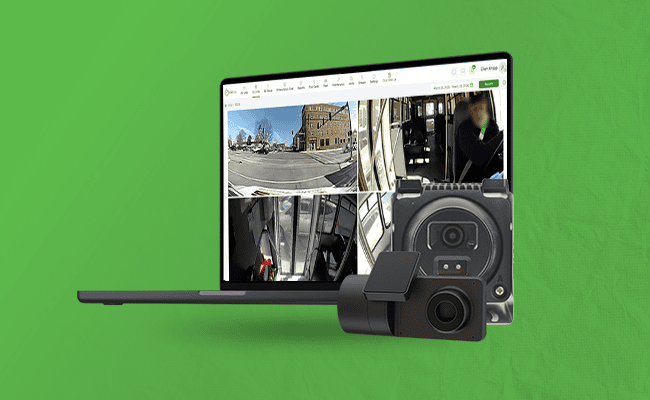
When combined with GPS fleet tracking, maintenance scheduling, ELD compliance, and AI dash cameras, digital inspections become part of a complete fleet management ecosystem. Managers gain real-time visibility into vehicle condition while ensuring inspection records are securely stored and easily accessible during audits.
Instead of chasing paperwork, fleet managers can focus on resolving maintenance issues quickly, improving vehicle uptime, and keeping drivers safely on the road.
Printable Truck Pre-Trip Inspection Checklist
Many drivers prefer carrying a printed checklist as a quick reference during daily inspections. Whether printed or completed digitally, every pre-trip checklist should include the same core components.
A complete pre-trip truck inspection checklist should cover:
Using a standardized checklist helps ensure inspections remain consistent regardless of who is operating the vehicle.
Pre-Trip Inspection FAQs
What is included in a pre-trip inspection checklist?
A complete pre-trip inspection checklist includes the engine compartment, steering, brakes, suspension, tires, wheels, lights, trailer connections, safety equipment, fluid levels, and in-cab controls. The goal is to verify that the vehicle is safe to operate before every trip.
Is a pre-trip inspection required by DOT?
Yes. Commercial drivers are expected to inspect their vehicles before operating them to help ensure they are safe and comply with federal safety regulations. Most fleets use a standardized inspection process to document these inspections and maintain compliance.
How often should truck drivers perform a pre-trip inspection?
Drivers should complete a pre-trip inspection before every trip or whenever they take control of a commercial vehicle. Consistent daily inspections help identify defects early and reduce the risk of breakdowns, violations, and accidents.
What are the most common pre-trip inspection violations?
Some of the most common violations include worn tires, defective brakes, broken lights, air leaks, damaged suspension components, loose wheel hardware, fluid leaks, and improperly secured trailer connections. Following a consistent inspection routine helps drivers identify these issues before they result in roadside inspections or costly repairs.