Every commercial vehicle on the road must be safe to operate, according to the FMCSA. From brakes and tires to lights and steering components, even minor mechanical issues can create serious safety risks for drivers and the public. That’s why inspection and maintenance requirements are a critical part of fleet operations.
One of the most important compliance tools in the trucking industry is the DVIR. These reports help identify mechanical problems before they become costly breakdowns, roadside violations, or accidents. Understanding how the DVIR process works is essential for drivers, fleet managers, and carriers that want to stay compliant while improving vehicle safety.
In this guide, we’ll explain what a DVIR is, the regulations surrounding it, required information, common violations, and how electronic solutions can simplify compliance.
What Is a DVIR?
A DVIR is a documented inspection completed by a commercial vehicle driver to identify any defects or deficiencies that could impact the safe operation of the vehicle.
The DVIR definition refers to a formal report used to record the condition of a commercial motor vehicle before and after operation. Drivers inspect critical vehicle systems and document any problems requiring repair or maintenance.
A driver vehicle inspection report serves as an important communication tool between drivers, maintenance personnel, and fleet management teams. By documenting issues promptly, fleets can address problems before they lead to accidents, breakdowns, or regulatory violations.
What Does DVIR Stand For?
DVIR (Driver Vehicle Inspection Report) centers around documenting the condition of a commercial vehicle and reporting any safety-related concerns. These inspections help carriers maintain compliance with federal regulations while ensuring vehicles remain safe for operation.
If you’ve ever wondered what does DVIR stand for in trucking, it refers to the same Driver Vehicle Inspection Report required for many commercial vehicle operations across the United States.
Why Are Driver Vehicle Inspection Reports Important
A driver vehicle inspection report is much more than a compliance form. It plays a critical role in fleet safety and maintenance management.
Regular inspections help identify:
- Brake issues
- Tire damage
- Lighting failures
- Steering problems
- Suspension concerns
- Fluid leaks
- Other potential vehicle defects
By detecting problems early, fleets can:
- Reduce roadside breakdowns
- Improve driver safety
- Lower maintenance costs
- Avoid out-of-service violations
- Protect their reputation
- Improve their CSA score
Driver inspections also support preventive maintenance programs by creating a documented history of vehicle conditions and repairs.
Is a DVIR Required by Law?
One of the most common questions carriers ask is: is a DVIR required by law?
The answer is yes. Federal regulations require commercial motor vehicle drivers to conduct inspections and report safety-related defects. Specific requirements depend on vehicle type and operating conditions, but carriers are responsible for ensuring vehicles remain safe and compliant.
The Federal Motor Carrier Safety Regulations establish various inspection and reporting obligations designed to improve highway safety and reduce accidents involving commercial vehicles.
Understanding current dvir regulations is essential for avoiding penalties and maintaining compliance.
Driver Vehicle Inspection Report Requirements

Understanding driver vehicle inspection report requirements helps carriers maintain compliance and avoid enforcement issues.
Who Must Complete a DVIR?
Commercial vehicle drivers operating vehicles subject to federal regulations are generally responsible for completing required inspections.
Drivers must identify and report defects that may affect safe operation. Carriers must review reported issues and ensure repairs are completed when necessary.
Vehicles Covered
Most commercial motor vehicles engaged in interstate commerce fall under applicable inspection requirements.
Examples include:
- Tractor-trailers
- Straight trucks
- Passenger carriers
- Vehicles transporting hazardous materials
- Certain intrastate commercial vehicles subject to state regulations
Required Information
A typical driver vehicle inspection report includes:
- Date of inspection
- Vehicle identification information
- Driver information
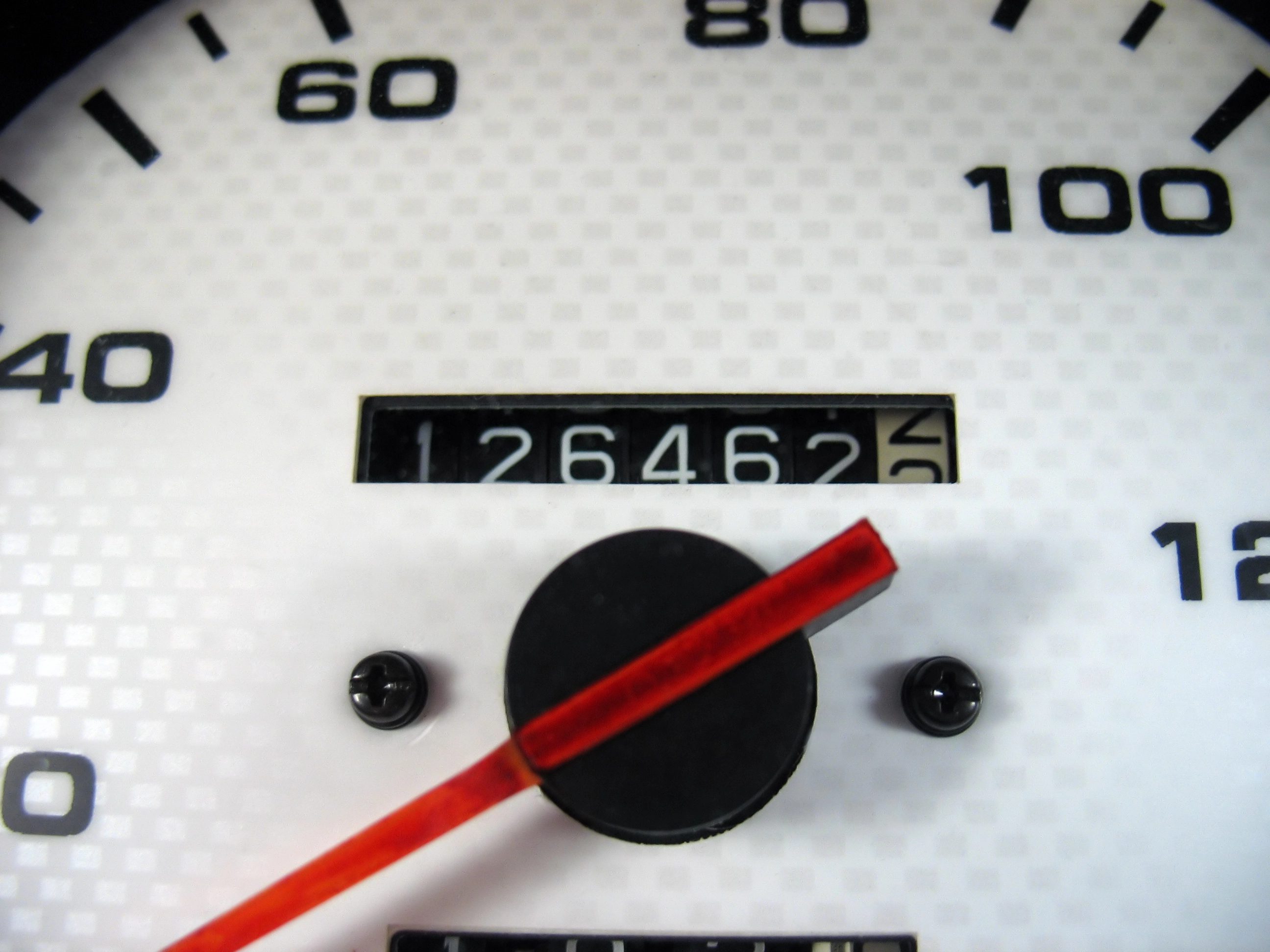
- Odometer reading
- Defects identified
- Certification of repairs when applicable
- Driver signature or electronic acknowledgment
Accurate documentation is essential for meeting DVIR requirements and maintaining inspection records.
FMCSA DVIR Regulations Explained
The Federal Motor Carrier Safety Administration establishes inspection requirements designed to ensure commercial vehicles remain safe to operate.
Current DVIR regulations require drivers to identify and report deficiencies that could affect safe vehicle operation. Carriers must maintain records and address reported defects before vehicles return to service when necessary.
These DVIR regulations form an important component of broader commercial vehicle safety programs.
What Drivers Must Inspect
Drivers should carefully inspect critical vehicle components during the inspection process.
Common inspection areas include:
- Service brakes
- Parking brake systems
- Tires
- Tires, wheels, and rims
- Wheels and rims
- Steering mechanism
- Suspension components
- Mirrors
- Horn
- Windshield
- Windshield wipers
- Lighting devices
- Lights and reflectors
- Exhaust system
- Coupling devices
- Cargo securement systems
- Emergency equipment
These items are frequently included on a standard inspection checklist.
The DVIR Process Step-by-Step
Understanding the complete DVIR process helps drivers and carriers establish consistent inspection procedures.
Step 1: Conduct Pre-Trip Inspection
The first step involves a thorough pre-trip inspection before operating the vehicle.
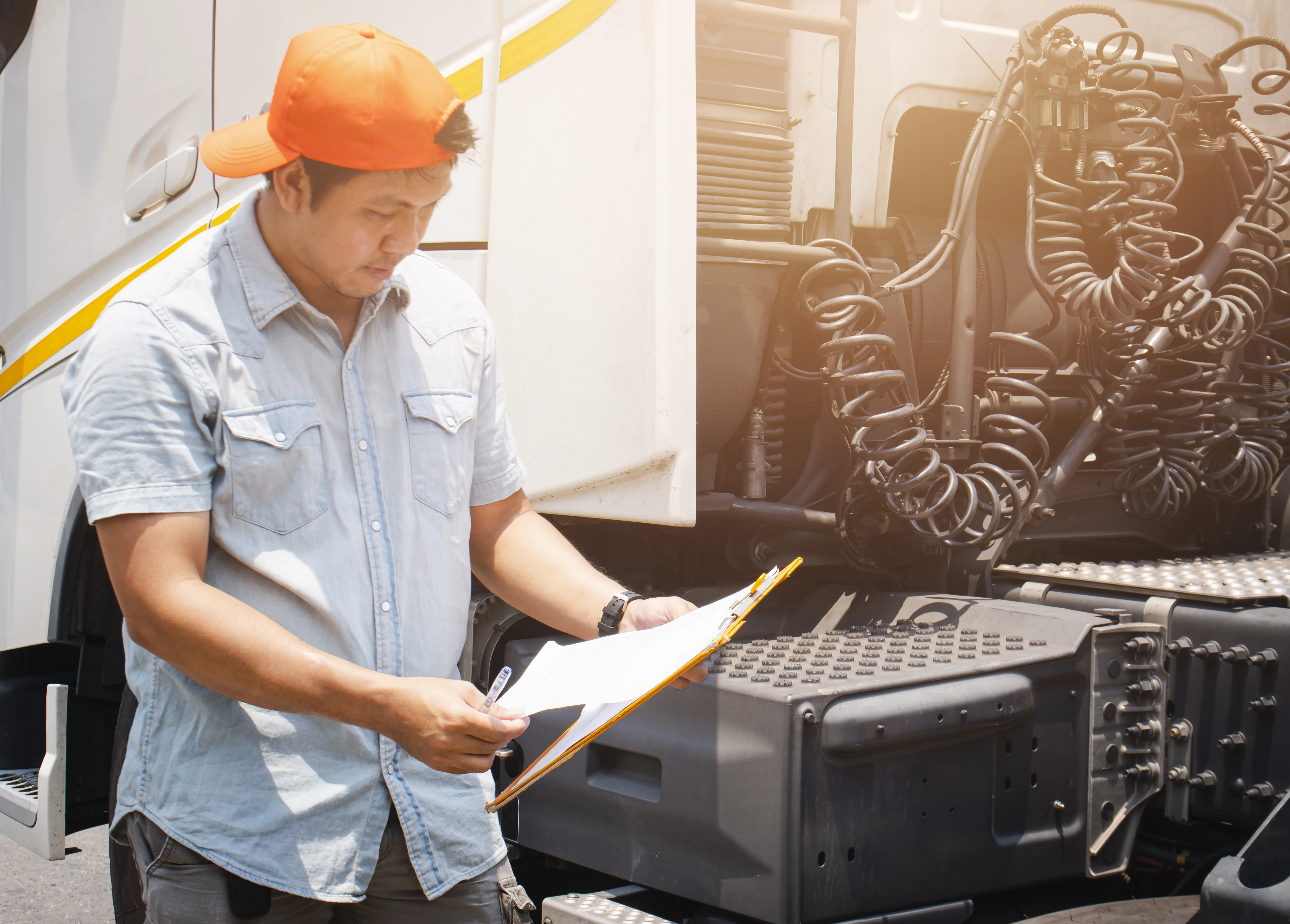
Drivers should walk around the vehicle and inspect major systems, looking for visible damage, leaks, tire issues, lighting problems, or other concerns.
A proper pre-trip inspection can prevent costly breakdowns and improve roadway safety.
Step 2: Document Defects
If issues are discovered, drivers must document them accurately.
The vehicle inspection report should clearly identify defects, describe the affected component, and note any conditions that may impact vehicle safety.
Step 3: Submit DVIR
Once completed, the DVIR report must be submitted according to company procedures.
Many fleets now use mobile applications that allow drivers to complete inspections electronically and transmit information instantly.
Step 4: Maintenance Review
Maintenance personnel review reported issues and determine whether repairs are required before the vehicle can continue operating.
Communication between drivers and maintenance teams is essential for effective fleet management.
Step 5: Repairs Are Completed
When defects affect safe operation, repairs must be completed promptly.
Maintenance technicians verify that corrective actions have been performed and document repair details as required.
Step 6: Vehicle Returns to Service
After repairs are completed and verified, the vehicle can safely return to service.
This final step ensures reported defects are resolved before operation resumes.
The complete DVIR process creates accountability and helps carriers maintain safe, compliant vehicles.
What Should Be Included in a DVIR?
A comprehensive driver vehicle inspection report should include all information necessary to document vehicle condition and support maintenance activities.
Common elements include:
- Vehicle identification number
- Unit number
- Driver name
- Inspection date
- Inspection location
- Odometer reading
- Description of defects
- Repair verification
- Driver certification
The report should clearly identify any safety defect that could impact vehicle operation.
A complete vehicle inspection report creates a valuable maintenance record and supports compliance efforts.
Common Driver Vehicle Examination Report Violations
One of the most common compliance issues involves incomplete or inaccurate inspection documentation.
Common driver vehicle examination report violations include:
- Failure to complete required inspections
- Missing signatures
- Incomplete defect descriptions
- Failure to report known defects
- Missing maintenance documentation
- Operating vehicles with unresolved safety issues
These types of driver vehicle examination report violations can result in fines, penalties, and increased scrutiny during audits.
DVIR vs DOT Inspection: What’s the Difference?
Many people confuse a DVIR with a DOT inspection, but they serve different purposes.
A DVIR is completed by the driver as part of routine vehicle operations.
A DOT inspection is typically conducted by an enforcement officer or certified inspector and involves a more formal review of vehicle compliance.
The Department of Transportation inspection process may occur during roadside inspections, weigh station checks, or compliance reviews.
While both focus on vehicle safety, one is an internal reporting process while the other is an official regulatory inspection.
Paper DVIR vs Electronic DVIR (eDVIR)
Many fleets are transitioning from paper forms to digital solutions.
Traditional paper inspections often create challenges such as:
- Lost paperwork
- Delayed maintenance notifications
- Incomplete records
- Manual filing requirements
By contrast, electronic DVIRs provide several advantages:
- Faster reporting
- Improved accuracy
- Digital record retention
- Real-time notifications
- Mobile accessibility
Modern fleet software allows drivers to complete inspections directly from smartphones or tablets.
As fleets continue digitizing operations, electronic DVIRs are becoming the preferred compliance solution.
How ELDs and DVIRs Work Together
An electronic logging device and a DVIR serve different functions but work together to support fleet compliance and safety. While ELDs track Hours of Service (HOS), DVIRs document vehicle inspections and report defects.
Many fleets use integrated systems that allow drivers to manage HOS and complete inspections from the same platform. This streamlines workflows, reduces paperwork, and improves reporting accuracy. When a defect is reported, fleet managers and maintenance teams can receive immediate notifications, helping ensure repairs are completed promptly.
By combining ELD and DVIR data, fleets gain better visibility into both driver activity and vehicle condition. This simplifies compliance management, improves recordkeeping, and helps keep vehicles safe and road-ready.
How GPSTab Simplifies DVIR Compliance

Managing inspections manually can consume significant administrative time.
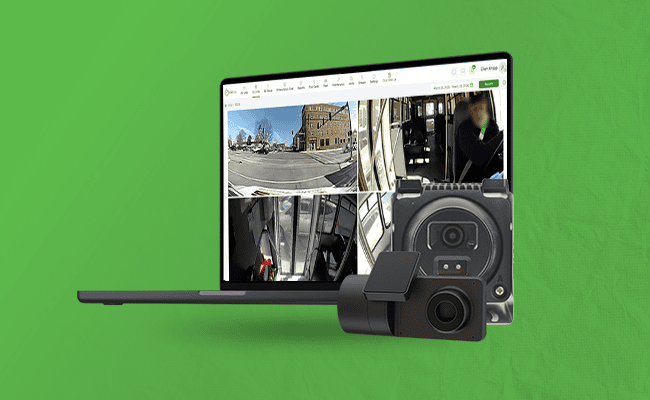
GPSTab simplifies DVIR management by providing digital inspection tools that streamline reporting, maintenance communication, and recordkeeping.
Key benefits include:
- Mobile inspection forms
- Real-time defect reporting
- Digital signatures
- Maintenance notifications
- Centralized records
- Compliance documentation
- Fleet-wide visibility
With integrated compliance tools, drivers can complete inspections quickly while managers gain immediate access to vehicle condition information.
For growing fleets, digital inspection workflows reduce paperwork and improve operational efficiency.
Common DVIR Mistakes Fleets Make
Even experienced carriers can encounter compliance issues.
Common mistakes include:
- Skipping inspections
- Rushing through inspections
- Using outdated forms
- Failing to document defects properly
- Delaying repairs
- Inadequate driver training
- Poor record retention
These mistakes can lead to regulatory violations, vehicle downtime, and increased safety risks.
Understanding applicable dvir requirements helps fleets avoid these common problems.
DVIR Best Practices for Drivers
Drivers play a critical role in maintaining vehicle safety.
Best practices include:
- Complete every required inspection thoroughly
- Follow a consistent inspection routine
- Use a detailed inspection checklist
- Report all defects immediately
- Take photos when appropriate
- Submit reports promptly
- Verify repairs before operating the vehicle
Drivers should never treat inspections as a simple paperwork exercise. A careful inspection can prevent accidents and protect lives.
Completing a thorough pre-trip inspection and a proper post-trip inspection helps identify issues before they become major problems.
DVIR Best Practices for Fleet Managers
Successful compliance programs require active involvement from fleet managers.
Best practices for fleet managers include:
- Establish standardized inspection procedures
- Train drivers regularly
- Implement digital reporting tools
- Monitor completion rates
- Audit inspection records
- Track recurring maintenance issues
- Verify repairs are documented
Using technology can significantly improve inspection compliance and recordkeeping.
Proactive fleet managers understand that inspections support both compliance and operational efficiency.
A strong inspection program also helps organizations meet evolving safety regulations while reducing vehicle downtime.
Final Thoughts
The DVIR remains one of the most important compliance and safety tools in commercial transportation. Proper inspections help identify mechanical issues before they become expensive repairs, roadside violations, or serious accidents.
By understanding inspection responsibilities, following established procedures, and leveraging digital solutions, carriers can strengthen safety programs and improve compliance outcomes. Whether you’re a driver completing daily inspections or one of many fleet managers overseeing operations, maintaining an effective driver vehicle inspection report program is essential for keeping vehicles safe, compliant, and ready for the road.
DVIRs FAQs
What is DVIR?
What is a DVIR? A DVIR is a Driver Vehicle Inspection Report used to document the condition of a commercial vehicle and report any defects that could affect safe operation.
What does DVIR stand for in trucking?
DVIR stands for Driver Vehicle Inspection Report. It is a required inspection document used throughout the commercial transportation industry.
When is a Driver Vehicle Inspection Report required?
A driver vehicle inspection report is typically completed during required inspections, including a post-trip inspection and other inspections required by company policies or regulatory standards.
What information must be included in a DVIR report?
A DVIR should include vehicle identification information, inspection date, driver information, reported defects, repair verification, and any additional information needed to document vehicle condition accurately.