Fleet operators rely on accurate mileage data to manage costs, improve uptime, and keep vehicles compliant. Every mile driven affects fuel usage, maintenance timing, driver accountability, and long-term operating expenses. A reliable odometer reading helps managers understand how assets are performing and when vehicles need attention.
Businesses use telematics, GPS systems, and connected software to automate tracking and eliminate manual errors. Understanding how odometers work and how to optimize mileage reporting can improve efficiency across every part of your operation.
What Is Odometer Reading?
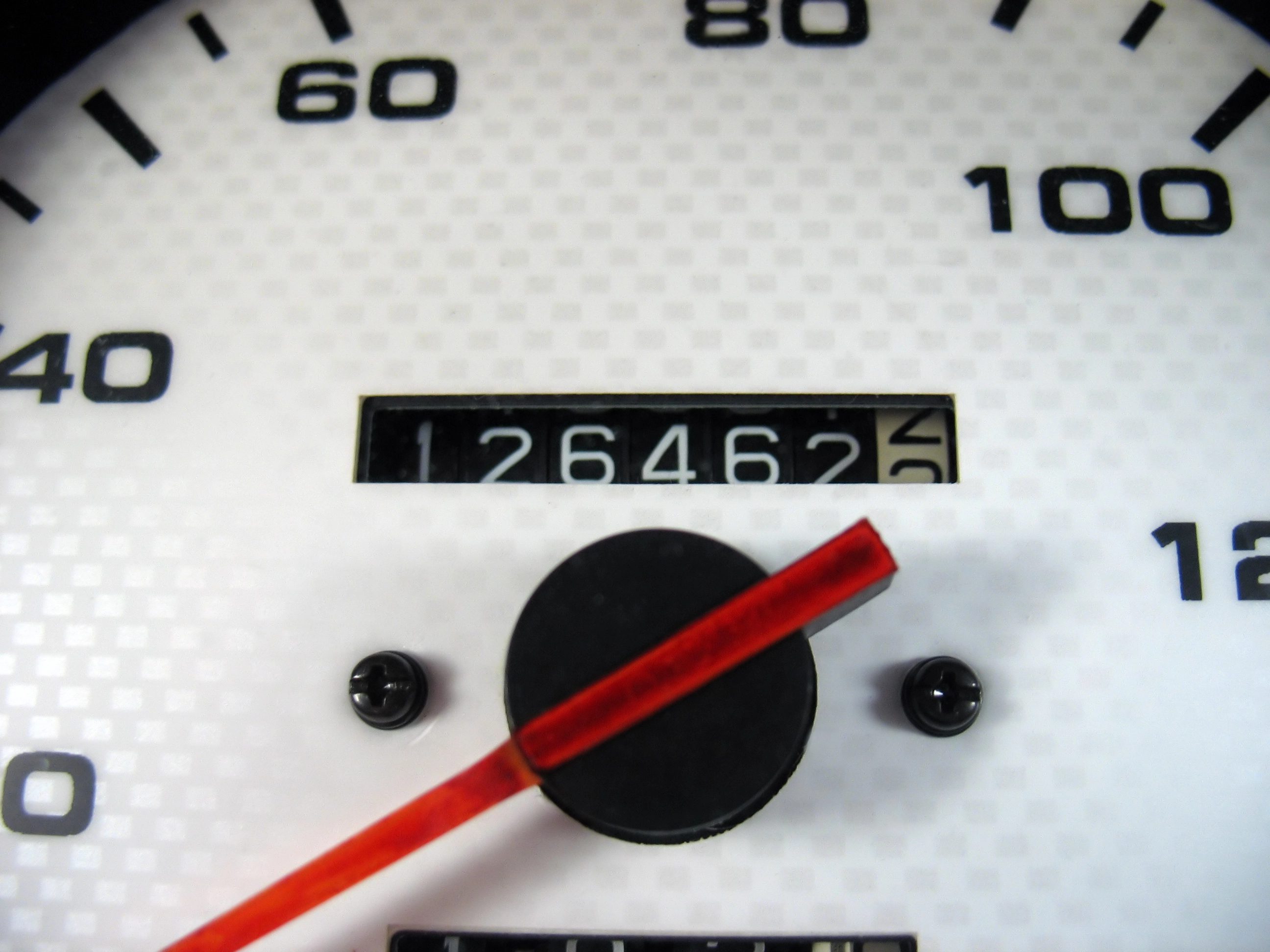
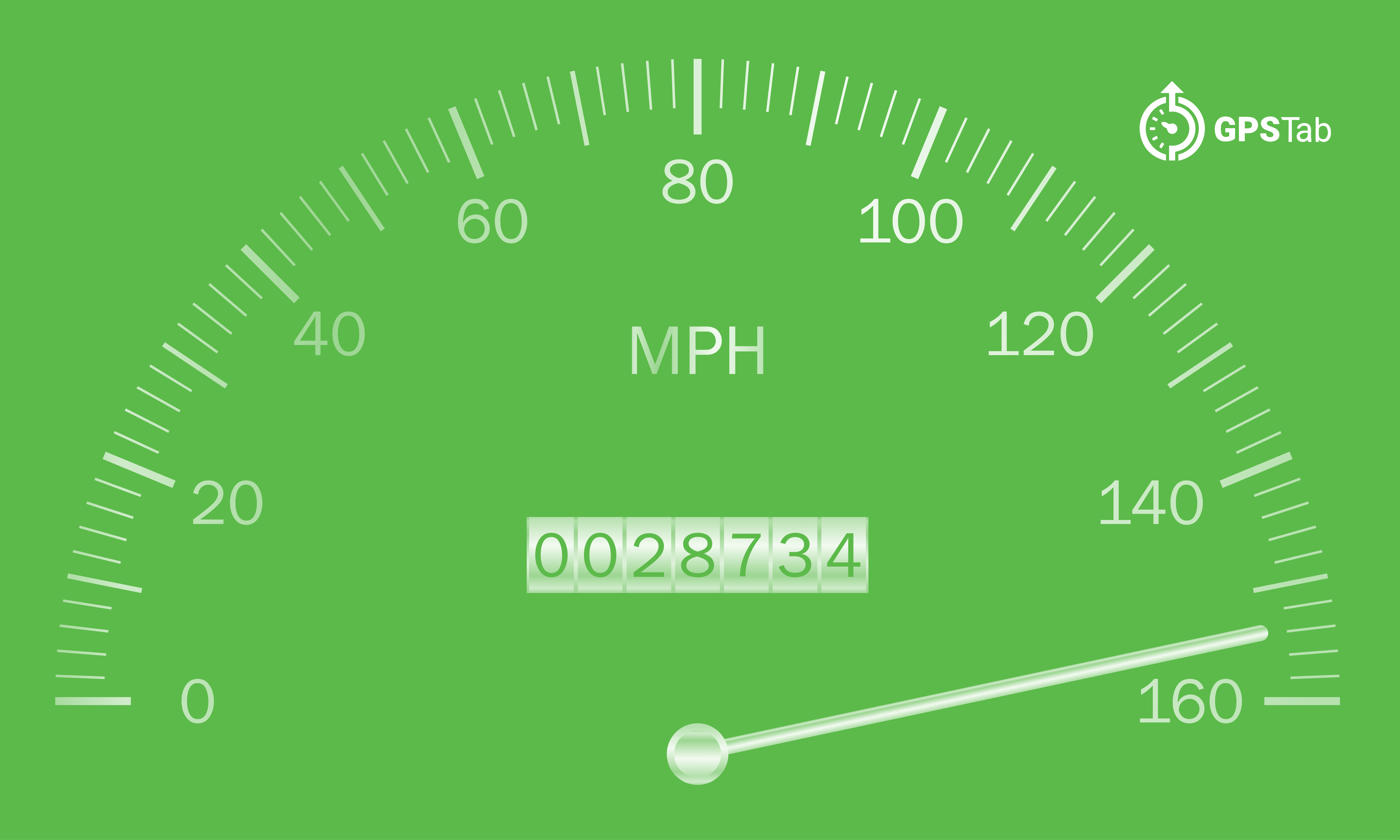
In simple terms, an odometer reading is the total distance a vehicle has traveled since it was manufactured. The value appears on the dashboard and is measured in miles or kilometers.
Understanding the odometer reading meaning is essential because it affects maintenance planning, operational costs, and compliance reporting. Businesses use mileage data to evaluate wear and tear, calculate depreciation, and estimate future service needs.
If someone asks what is odometer reading in a fleet environment, the answer goes beyond distance alone. It becomes a performance indicator that helps managers monitor usage trends and operational efficiency.
Understanding the Role of the Odometer in Fleet Management
Accurate mileage data plays a central role in managing a fleet because it influences nearly every operational decision. Dispatchers, maintenance teams, and compliance departments all rely on dependable mileage records.
A fleet manager can use mileage trends to identify underused vehicles, overworked assets, or inefficient routing. This information also helps organizations reduce unnecessary expenses and improve productivity.
The vehicle odometer is also important for reporting requirements and tax documentation. Many organizations rely on mileage logs to validate fuel purchases, support reimbursement claims, and maintain audit-ready records.
Mileage records also contribute to driver accountability. When operators know mileage is tracked consistently, they are more likely to follow approved routes and company policies.
Types of Odometers: Mechanical vs Electronic
Fleet vehicles typically use either a mechanical odometer or an electronic system. Older commercial trucks and legacy vehicles often rely on analog mechanisms, while newer fleets use digital displays connected to onboard computers.
A mechanical odometer uses gears and rotating drums to calculate mileage. As the wheels turn, the system records distance mechanically. These systems are durable, but they can experience wear over time.
One challenge with a mechanical odometer is that aging components may reduce accuracy after years of use. Fleet operators managing older equipment should monitor mileage carefully to avoid reporting discrepancies.
Modern fleets increasingly prefer digital odometers because they provide better precision and integrate with telematics systems. Electronic mileage tracking also simplifies data reporting and reduces administrative work.
While analog systems served fleets for decades, digital odometers provide faster access to data and stronger reporting capabilities.
How to Read an Odometer
Drivers and fleet supervisors should know how to read mileage on a car or commercial vehicle correctly. Most dashboards display total mileage directly on the instrument panel.
In older vehicles, the mileage appears as rotating numbered wheels. In newer vehicles, the information is displayed electronically within the instrument cluster.
The total displayed distance represents the lifetime mileage of the vehicle. Some dashboards also include a trip odometer that can be reset for route tracking or fuel analysis.
Odometer Reading Example
An odometer reading example might show 125,450 miles on a delivery truck. This means the truck has traveled a total of 125,450 miles since production.
A fleet manager reviewing a current odometer reading can compare the value with maintenance records to determine whether the vehicle requires servicing.
Why Odometer Reading Matters for Fleets
Every odometer reading provides insight into vehicle usage, operating costs, and lifecycle planning. Accurate mileage tracking helps organizations reduce breakdowns and improve operational visibility.
Mileage data directly affects fuel economy because heavily used vehicles often consume more fuel as components wear down. Tracking mileage consistently allows managers to identify performance changes early.
Mileage information also supports resale planning. Buyers reviewing used commercial vehicles often evaluate mileage before making purchasing decisions.
For businesses operating large fleets, mileage tracking helps improve driver safety by ensuring service intervals are completed on time.
Importance of Odometer Accuracy in Fleet Management
Accurate mileage records are critical for effective fleet management and long-term cost control. Even small reporting errors can create maintenance delays, billing issues, or compliance problems.
A reliable odometer reading ensures vehicles follow proper maintenance schedules and receive timely inspections. Fleets that ignore mileage discrepancies may experience premature breakdowns or increased repair costs.
Insurance providers may also review mileage records during claims investigations. Inconsistent mileage can create complications with insurance companies and affect policy evaluations.
Mileage accuracy also influences vehicle value. Vehicles with verified mileage histories are generally considered more trustworthy and easier to sell.
Common Problems with Odometer Readings
Fleet operators frequently encounter mileage reporting issues caused by human error, equipment limitations, or outdated tracking systems.
Inaccuracies & Errors
Manual logging mistakes remain one of the most common causes of inaccurate mileage records. Drivers may enter incorrect numbers, skip updates, or misread the dashboard.
Older analog systems can also experience mechanical limits that reduce precision over time. Tire size changes, calibration issues, and hardware wear may create additional inconsistencies.
Managers should perform a regular odometer check to identify unusual mileage jumps or missing records before they affect reporting.
GPS vs Odometer Mismatch
Some fleets notice differences between GPS mileage and dashboard mileage. GPS systems calculate distance using satellite positioning, while onboard systems calculate wheel rotation.
A digital odometer reading may differ slightly from GPS tracking because route calculations and signal variations can affect measurements.
Although small differences are normal, large gaps should be investigated. Conducting another odometer check can help determine whether the issue involves calibration, software, or hardware.
Odometer Tampering
Mileage manipulation and odometer discrepancy remains a serious issue in the automotive industry. Odometer fraud can misrepresent vehicle condition and create financial risks for buyers. especially for vehicles with an older model year.
Organizations purchasing used fleet assets should review service records and obtain a vehicle history report to before finalizing transactions.
Additionally, remember that an odometer disclosure is required by State and Federal law and will help you ensure an accurate reading and avoid odometer fraud during title transfers.
A detailed vehicle history report can reveal suspicious mileage changes, title inconsistencies, or evidence of odometer fraud.
Fleet buyers should also compare mileage records against maintenance documents and vehicle registration information and the Vehicle Identification Number (VIN) to identify potential discrepancies
Manual vs Automated Odometer Tracking
Mileage tracking methods vary widely between organizations. Some fleets still use spreadsheets and handwritten logs, while others rely on connected telematics platforms.
Manual Tracking
Manual mileage tracking typically involves drivers recording mileage at the beginning and end of each shift. While this method is inexpensive, it often creates administrative burdens.
Errors are common when employees forget to update logs or accidentally record incorrect numbers. Manual reporting also makes it harder to identify trends quickly.
A fleet using paper logs may struggle to verify the accuracy of a car odometer reading during audits or inspections.
Automated Tracking (Recommended)
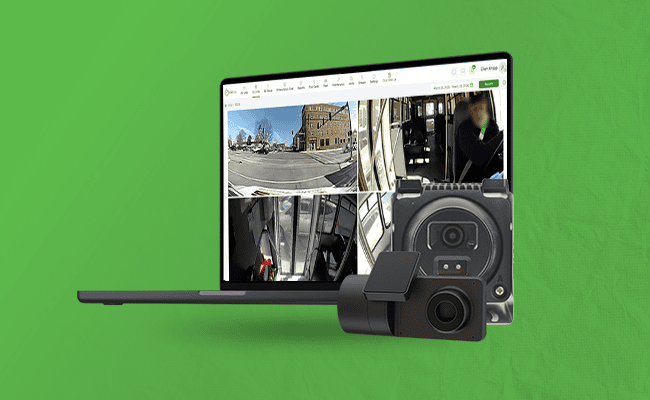
Automated mileage tracking removes much of the guesswork associated with manual reporting. Telematics systems collect mileage directly from the vehicle and send updates to centralized dashboards.
This process improves fleet management efficiency while reducing labor costs and reporting delays.
Automated tracking also improves fuel economy analysis because managers can compare route efficiency, idle time, and driving patterns using accurate mileage data.
Many organizations now perform a digital odometer check through telematics software instead of relying on physical inspections alone.
Best Practices for Ensuring Accurate Odometer Readings
Fleet operators can improve vehicle mileage accuracy by following a consistent maintenance and reporting strategy.
First, inspect vehicles regularly and compare dashboard mileage with telematics data. Small discrepancies should be investigated early before they become larger problems.
Second, train drivers to record vehicle mileage carefully during inspections and route completion. Employees should understand why accurate reporting matters.
Third, standardize mileage reporting across the entire fleet. Consistent processes reduce confusion and improve reporting quality.
Managers should also review vehicle history documentation whenever buying or selling commercial assets. A verified vehicle history record increases trust and supports stronger resale value.
Keeping complete maintenance records also improves resale value because buyers prefer assets with transparent mileage documentation.
Integrating Telematics for Automated Mileage Capture
Telematics platforms help fleets automate mileage collection and reduce reporting errors. Connected systems can capture data in real time and generate automated reports.
Many telematics solutions collect mileage data directly through the vehicle’s OBD-II port, allowing fleets to capture accurate odometer information without relying on manual driver input.
By connecting through the OBD-II interface, fleet managers can access real-time diagnostics, engine performance data, and automated mileage updates from a single system.
These systems improve visibility by showing mileage trends, route performance, idle time, and maintenance status within one dashboard.
Modern software can also connect mileage tracking with fuel reporting, dispatch workflows, and maintenance alerts. This integration creates better operational insight for growing fleets.
Digital Odometer vs GPS Tracking
A vehicle odometer measures wheel rotation to calculate total distance traveled, while GPS systems estimate mileage using satellite positioning.
Both methods provide useful data, but they serve different operational purposes. Dashboard mileage is typically used for maintenance records, while GPS data supports routing and dispatch optimization.
Some businesses compare both systems to verify accuracy and identify inconsistencies.
A trip odometer can also help drivers monitor mileage during individual routes or delivery cycles.
How GPSTab Improves Odometer Tracking
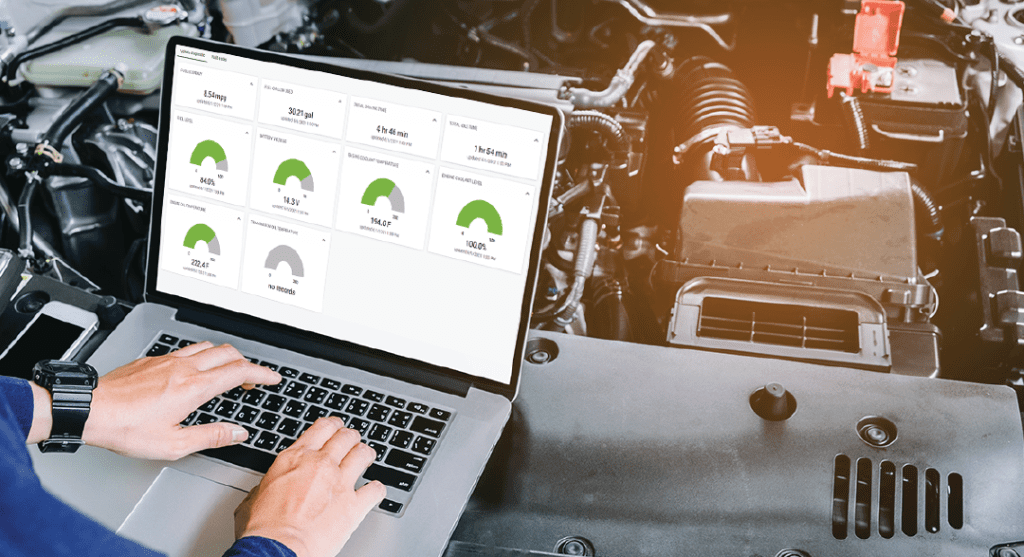
Modern telematics platforms such as GPSTab simplify mileage monitoring by automating data collection and reporting.
GPSTab provides users with truck diagnostics, or telematics, that can be leveraged to improve fleet efficiency and avoid costly breakdowns. You can also accurately track maintenance schedules with ease on the platform.
Managers can monitor usage patterns, identify unusual mileage behavior, and schedule service proactively.
GPSTab helps you track a variety of your truck’s key engine diagnostics, including:
- Fuel economy
- Fuel usage
- Fuel level
- Battery voltage
- Engine coolant temperature
- Engine coolant level
- Engine oil temperature
- Transmission oil temperature
- Engine oil pressure
- Total driving time
- Total idle time
For organizations purchasing used assets with an older model year, reviewing a vehicle history report alongside engine diagnostics data data provides additional confidence in mileage accuracy.
Turn Odometer Data Into Fleet Intelligence
Mileage data is more than a simple dashboard number. Accurate tracking helps organizations improve operations, reduce maintenance costs, and extend vehicle lifespan.
Businesses that rely on automated tracking solutions gain better visibility into vehicle performance and reduce the risks associated with manual reporting.
Whether managing delivery vans, service trucks, or long-haul fleets, accurate mileage records support smarter decisions and stronger operational control.
Organizations that invest in connected tracking systems can transform mileage information into actionable intelligence that improves efficiency and long-term profitability.
FAQs
What is an odometer reading?
An odometer reading is the total distance a vehicle has traveled over its lifetime. Fleet operators use this information for maintenance planning, compliance reporting, and operational analysis.
Is odometer reading the same as mileage?
In most cases, yes. Mileage refers to the distance traveled by a vehicle, and the mileage odometer displays that information on the dashboard.
Can odometer readings be wrong?
Yes, odometer discrepancy is relatively common. Calibration issues, tire changes, software errors, and damaged hardware can create inaccurate readings. Reviewing maintenance records, performing inspections, and checking a history report can help identify discrepancies.
Why is Odometer disclosure important?
This process is required by State and Federal law helps verify mileage during vehicle sales and transfers. Accurate disclosure protects buyers and sellers by reducing the risk of hidden mileage manipulation and odometer discrepancy.
How does mileage affect ownership costs?
Higher mileage generally increases wear and maintenance needs over time. It can also influence depreciation, operational expenses, and overall resale potential.