Fleet managers looking to improve efficiency, increase accountability, and reduce operating expenses often ask the same question: what is the true GPS fleet tracking cost in 2026?
In 2026, GPS fleet tracking costs typically range from $10 to $50 per vehicle per month for standard tracking services. More advanced platforms that include AI-powered analytics, video telematics, compliance tools, and integrated fleet management systems can exceed $80 per vehicle per month.
The answer depends on several factors, including fleet size, hardware requirements, reporting needs, and whether you choose a basic tracking platform or a comprehensive telematics solution. While some providers advertise low monthly rates, understanding the full GPS fleet tracking pricing structure can help you avoid unexpected expenses and choose a solution that delivers long-term value.
In this guide, we’ll break down current GPS fleet tracking costs, explain common pricing models, highlight hidden fees, and help you determine the right budget for your fleet.
How Much Does GPS Fleet Tracking Cost in 2026?
Several factors influence overall GPS fleet tracking pricing, including:
- Fleet size
- Tracking frequency
- Hardware type
- Reporting capabilities
- Compliance requirements
- Contract length
- Additional integrations
When evaluating providers, it’s important to look beyond the monthly subscription and understand the total fleet tracking cost over time.
What Is Included in GPS Fleet Tracking Pricing?
Most providers include a core set of features within their monthly subscription.
Real-Time GPS Tracking
The foundation of any GPS tracking solution is real-time GPS tracking. Fleet managers can monitor vehicle location, view routes, and receive updates as vehicles move throughout the day.
This level of real-time visibility allows dispatchers to respond faster to customer requests and optimize daily operations.
Geofencing
Geofencing enables managers to create virtual boundaries around job sites, customer locations, or service territories. Notifications can be triggered when vehicles enter or leave designated areas.
Fleet Reporting
Modern GPS fleet tracking software provides detailed reports covering mileage, idling, route history, speeding events, and driver behavior. These reports help improve accountability and identify opportunities for cost savings.
Mobile Apps
Most fleet tracking software providers offer mobile apps that allow managers to access tracking data, alerts, and reports from virtually anywhere.
GPS Fleet Tracking Pricing by Fleet Size
Fleet size played a major role in determining overall GPS fleet tracking cost.
Small Fleets (1-10 Vehicles)
Small businesses typically pay higher per-vehicle rates because they manage fewer units. Basic vehicle tracking services generally range from $20-$50 per vehicle monthly.
For example, a five-vehicle fleet may spend between $100 and $250 per month depending on features and hardware requirements.
Medium Fleets (10-100 Vehicles)
Medium-sized fleets often receive volume discounts. vehicle tracking prices generally fall between $15 and $40 per vehicle monthly.
Organizations in this category frequently benefit from additional features such as Route Optimization, maintenance alerts, and integrated fuel cards.
Enterprise Fleets (100+ Vehicles)
Large fleets typically negotiate custom agreements based on vehicle count, reporting requirements, and system integrations.
Enterprise customers often deploy advanced fleet GPS tracking systems cost structures that include AI analytics, Vehicle Diagnostics, asset tracking, and video telematics.
Industries That Benefit Most from GPS Fleet Tracking
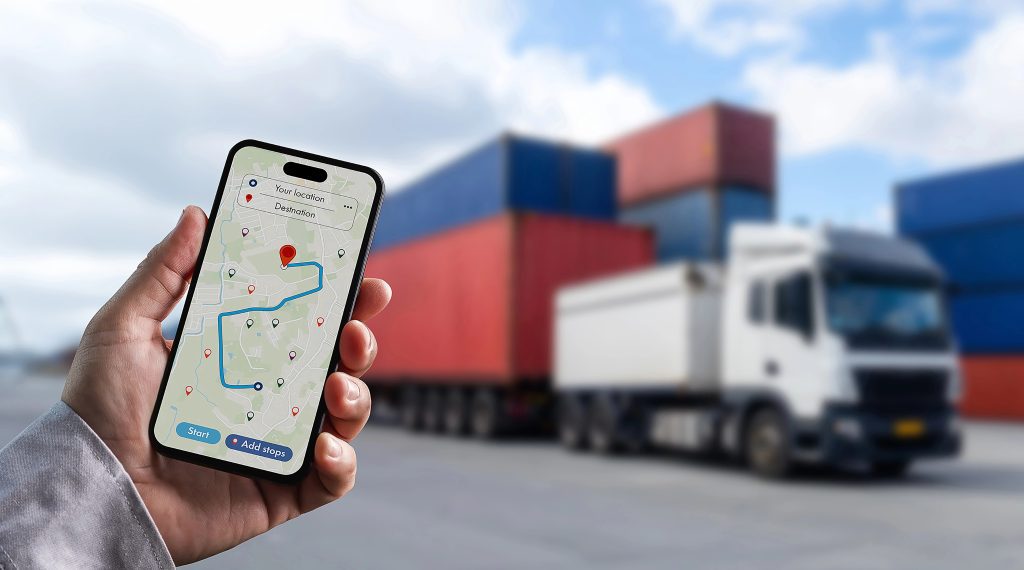
Virtually any business that operates vehicles can benefit from a GPS fleet tracking software solution. However, some industries often see faster returns on their investment due to the nature of their fleet operations.
Trucking and Transportation
Long-haul carriers and regional trucking companies use GPS fleet tracking software to monitor vehicle location, improve dispatch efficiency, and maintain compliance. Tracking data can also help fleets optimize routes, reduce idle time, and improve overall fleet operations.
Construction and Field Service
Construction companies, electricians, plumbers, HVAC contractors, and other field service organizations rely on vehicle tracking to manage crews, monitor equipment usage, and verify job site arrival times. real-time visibility into fleet activity helps managers make better scheduling decisions throughout the day.
Delivery and Last-Mile Fleets
Delivery businesses depend on accurate vehicle location data to provide customers with reliable arrival estimates. GPS tracking systems can help improve customer service while reducing fuel expenses and increasing productivity.
Government and Municipal Fleets
Public works departments, utility companies, and municipalities often use fleet management systems to improve accountability, reduce unnecessary vehicle use, and maximize taxpayer resources.
How GPS Fleet Tracking Helps Reduce Operating Costs
When evaluating GPS fleet tracking cost, it’s important to consider the savings generated by the technology.
One of the most immediate benefits is fuel reduction. Fleet managers can identify excessive idling, unauthorized vehicle use, inefficient routing, and aggressive driver behavior habits that contribute to higher fuel consumption. Many platforms also integrate with fuel cards, allowing managers to compare fuel purchases against vehicle activity and identify potential misuse.
Maintenance savings are another major benefit. GPS tracking solutions can automatically generate maintenance alerts based on mileage, engine hours, or manufacturer service intervals. By addressing issues early, fleets can reduce costly breakdowns and extend vehicle lifespan.
Improved driver behavior also contributes to lower operating expenses. Monitoring speeding, harsh braking, rapid acceleration, and excessive idling can help reduce wear and tear while improving overall driver performance.
For many organizations, these savings offset a significant portion of their fleet gps tracking systems cost.
GPS Fleet Tracking vs. Basic Vehicle Tracking
Many buyers mistakenly assume all tracking platforms offer the same functionality. In reality, there is a significant difference between basic vehicle tracking and a comprehensive fleet management platform.
A basic tracking system typically focuses on vehicle location monitoring and route history. While useful, these solutions often provide limited reporting and operational insights.
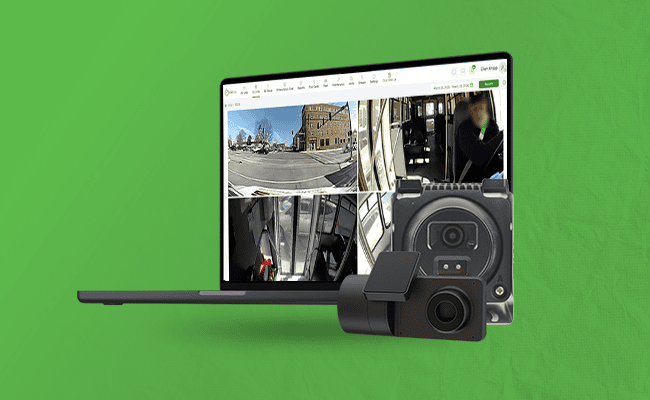
More advanced platforms combine tracking with Vehicle Diagnostics, fleet reporting, driver scorecards, fuel management tools, maintenance alerts, and video telematics. Some systems even integrate dash cams that automatically capture driving events and provide evidence in the event of an accident.
Organizations seeking to improve efficiency, safety, and profitability often find that investing in a more robust GPS tracking solution delivers greater long-term value than choosing the lowest-priced option.
Questions to Ask Before Comparing Fleet Tracking Providers
Before signing a contract, fleet managers should ask several key questions:
- Is the hardware included in the monthly fee?
- Are there activation or setup charges?
- Does the provider require a long-term contract?
- How frequently is location data updated?
- Are mobile apps included?
- Can the platform integrate with fuel cards and accounting software?
- Does the system support asset tracking?
- Are dash cams available as an add-on?
- Is API access included?
- What reporting and Vehicle Diagnostics features are available?
Understanding these details upfront can help businesses accurately compare providers and avoid unexpected costs later.
The best GPS tracking solution is not necessarily the cheapest. Instead, it should provide the features, support, and insights necessary to improve productivity, strengthen fleet safety programs, and help your business operate more efficiently.
GPS Fleet Tracking Cost Breakdown
Understanding the components behind GPS tracking pricing can help prevent surprises.
Monthly Subscription Fees
The largest portion of most fleet tracking prices comes from recurring software and cellular connectivity fees.
Monthly subscriptions commonly range from $10 to $50 per vehicle.
GPS Hardware Costs
Hardware may be purchased outright or included in a subscription package.
Depending on the device, GPS hardware can cost anywhere from $50 to $300+ per vehicle.
Installation Costs
Some plug-and-play devices require minimal setup, while hardwired solutions may require professional installation.
Installation costs generally range from $50 to $200 per vehicle.
Hidden Costs of Vehicle Tracking Systems
While advertised rates may appear attractive, additional fees can increase overall vehicle tracking costs.
Contract Commitments
Some providers require multi-year agreements with early termination penalties.
Activation Fees
Initial setup and activation fees may apply when deploying a new tracking system.
Additional Users
Many vendors limit user accounts and charge extra fees for additional dispatchers or managers.
API Access
Organizations seeking integrations with accounting software, ERP platforms, fuel cards, or other business systems may encounter additional API fees.
Camera Add-Ons
Video telematics solutions frequently include dash cams, driver-facing cameras, and AI-powered event detection. While these tools improve fleet safety and driver safety, they can significantly increase monthly expenses.
Fleet Tracking System Cost by Feature
Feature selection has a major impact on fleet tracking system cost.
Basic tracking packages typically include:
- Vehicle location monitoring
- Historical route playback
- Basic alerts
- Mobile access
Mid-tier solutions often add:
- driver behavior monitoring
- Vehicle Diagnostics
- Fuel reporting
- Maintenance scheduling
Premium solutions may include:
- dash cams
- AI event detection
- Compliance monitoring
- Advanced analytics
- asset tracking
- Integrated fuel cards
- Fleet safety scorecards
The more advanced the feature set, the higher the fleet gps tracking systems cost will be.
GPS Fleet Tracking Pricing Models Explained
Different vendors structure GPS fleet tracking pricing in different ways.
Subscription Model
The most common option involves a monthly fee per vehicle, often with little or no upfront investment.
Hardware + Software Model
In this approach, customers purchase hardware separately and pay recurring software fees.
This model often results in a lower monthly vehicle tracking price but requires greater upfront investment.
All-Inclusive Pricing
Some providers bundle hardware, software, support, and connectivity into a single monthly payment.
This simplifies budgeting and provides predictable costs.
Cheap vs Premium GPS Fleet Tracking Systems Prices
Not all solutions are created equal.
Budget Solutions
Lower-cost platforms generally focus on basic vehicle tracking and vehicle location monitoring.
These solutions often cost between $10 and $25 per vehicle monthly but may offer limited reporting and fewer integrations.
Enterprise Platforms
Premium solutions typically include advanced reporting, compliance tools, Vehicle Diagnostics, driver behavior monitoring, integrated dash cams, and AI-powered insights.
Enterprise platforms often exceed $50-$80 per vehicle monthly.
How to Calculate Your Fleet Tracking Budget
To estimate your budget, consider:
- Number of vehicles
- Hardware requirements
- Installation costs
- Desired features
- User licenses
- Integration needs
- Contract terms
For example, a 25-vehicle fleet paying $25 per vehicle monthly would spend approximately $625 per month before additional services or hardware costs.
If you’re wondering, “how much does vehicle tracking cost,” the answer depends on both your fleet size and operational goals.
Is GPS Fleet Tracking Worth the Cost?
For most fleets, the return on investment far exceeds the initial expense.
Benefits often include:
- Reduced fuel consumption
- Improved driver behavior
- Enhanced dispatch efficiency
- Better customer service
- Increased fleet safety
- Reduced unauthorized vehicle usage
- Improved maintenance scheduling
- Better Hours of Service oversight
Many fleets recover their investment through lower operating costs, improved productivity, and reduced liability exposure.
How to Choose the Right Fleet Tracking System
When evaluating providers, consider more than just GPS vehicle tracking prices.
Look for:
- Ease of use
- Scalability
- Customer support
- Reporting capabilities
- Integration options
- Compliance tools
- Mobile accessibility
The ideal solution should support your current needs while providing room for future growth.
What Should You Expect to Pay for GPS Fleet Tracking?
The average fleet tracking cost in 2026 typically falls between $10 and $50 per vehicle per month, while advanced telematics solutions can exceed $80 per vehicle monthly.
Although comparing vehicle tracking prices is important, the cheapest option is not always the best value. A platform that improves fleet operations, reduces fuel consumption, enhances driver safety, and provides actionable insights can generate substantial savings over time.
When evaluating GPS fleet tracking pricing, focus on total value rather than monthly cost alone. The right solution can help streamline fleet operations, improve accountability, and maximize the performance of your fleet.
GPS Fleet Tracking Cost FAQs
How much does GPS fleet tracking cost per month?
Most providers charge between $10 and $50 per vehicle monthly. Advanced solutions with video telematics, dash cams, AI analytics, and compliance tools can exceed $80 per vehicle monthly.
What is the average fleet tracking cost?
The average GPS fleet tracking cost for most businesses falls between $20 and $40 per vehicle each month, depending on features and service levels.
Are GPS trackers a one-time purchase?
Not usually. While hardware may be purchased outright, most providers charge recurring subscription fees for connectivity, software access, support, and reporting.
Why do fleet tracking prices vary so much?
Differences in hardware, reporting capabilities, integrations, vehicle location update frequency, camera options, compliance tools, and platform sophistication all contribute to varying fleet tracking prices. Advanced solutions that support fleet operations, driver behavior monitoring, fuel cards, Vehicle Diagnostics, asset tracking, and integrated dash cams naturally command higher pricing than basic tracking platforms.